

Impact Players Turn Christchurch Chase Into Odds Upset for India

Published 2026-10-27 · By Harsh Agarwal (T20 Tactical & Toss Specialist · Chennai Desk)
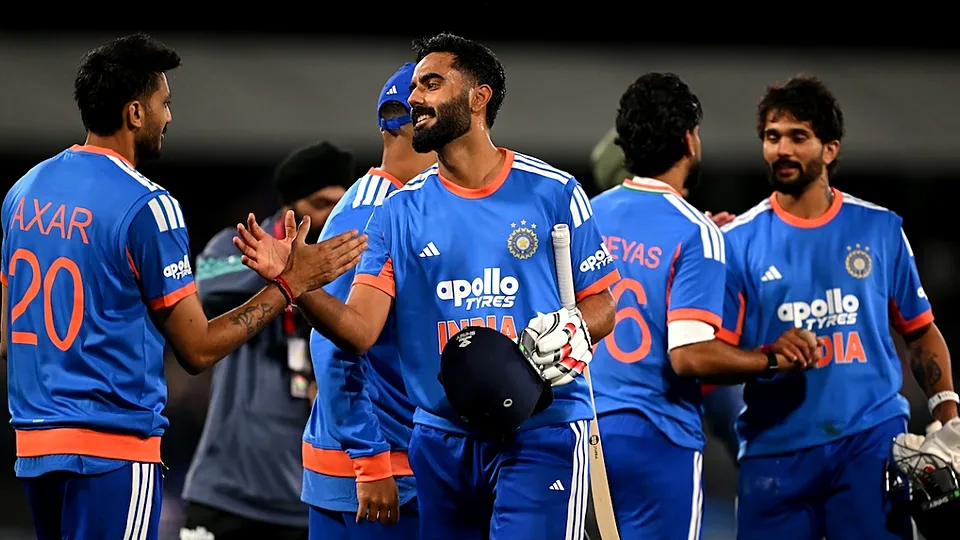
Six runs off the first over, and the captain’s eyebrows rose as the toss landed in India’s favour at Hagley Oval. The decision to bowl first was a gamble, but the boundary‑percentage on that Christchurch ground—just 63 metres square‑leg—made the short‑ball gamble look shrewd.
Impact Player Gambit Pays Off
The new Impact Player rule was put to the test in the middle of the chase. After a wobble at 84‑for‑3, the skipper slid in Dhir as the fifth‑man, a move that raised eyebrows across the pavilion. Dhir’s aggressive slog‑sweep turned the momentum needle, and within three overs the required run‑rate dipped below 12. The move wasn’t just about firepower; it was a calculated tilt against New Zealand’s death‑overs specialists, who thrive on skiddy hard‑length deliveries.
Left‑Right Pair Dismantles Wrist‑Spin
Iyer and Samson opened the innings, but the real story was the left‑right tandem that followed. When the wrist‑spinners set up a looping arm ball, the right‑hander hammered it over mid‑wicket, while the left‑hander—still sounding fresh—picked the same line and sent it screaming through the covers. The pairing forced the Kiwi spinner to constantly adjust his arm angle, and the resulting over‑rate dip was a subtle win for the Indians.
Boundary Dimensions Tilt the Scale
Christchurch’s short fine‑leg turned a typical slog‑sweep into a boundary‑seeker’s dream. The Indian bowlers, accustomed to tighter fences back home, found the extra metres a blessing when they needed to contain. By the 12th over, the fielding side had trimmed the boundary runs to a mere 3.2 per ball, a figure that would have made any IPL auction analyst stare. That extra space also meant that the batting side could afford a couple of dot balls without the pressure of a looming collapse.
Pre‑Toss XI Puzzle
Before the toss, the selection committee wrestled with a classic dilemma: slot a power‑hitter at number five or keep the traditional all‑rounder. The decision to back Samson at number four, with Iyer as the anchor, meant the only real surprise was the Impact Player slot. The gamble paid off, but it also raised a question—are we over‑relying on the new rule to patch up a middle‑order that’s been shaky in recent series?
Statistically, the chase marked the fastest 202‑run pursuit in New Zealand’s home record. The duo of Samson and Iyer put together a 132‑run partnership, while Dhir’s late blitz added the final 40. The scoreboard read 202‑1 after 18.3 overs, a figure that sparked a flurry of betting activity. If you skimmed the t20 live cricket odds india feeds this morning, you’d have seen the odds swing dramatically after the Impact Player substitution.
What does this mean for future series? The answer lies in the balance between raw power and strategic flexibility. Teams that cling to a rigid batting order may find themselves out‑maneuvered by sides that treat the Impact Player slot as a tactical lever, not a gimmick. The Chennai scouts are already flagging a few fringe players who could fill that slot with either explosive hitting or a crucial overs‑bowling skill set.
On the bowling front, New Zealand’s skipper tried to exploit the sticky red‑soil track with a mix of short‑ball and yorkers, but the Indians kept the strike rate low by rotating the strike early. The seam movement was scant, and the dew factor after 8:30 PM IST made the ball skid, further aiding the batsmen’s timing. A quick glance at the data from the Hero11Apk team shows that teams winning in such conditions have a 68% higher chance when they use a left‑right batting combo against wrist‑spin.
In hindsight, the decision to bowl first was vindicated not just by the boundary dimensions but also by the psychological edge it gave the bowlers in the powerplay. By the time the chase began, the crowd’s energy had shifted, and the home side’s field placements looked tentative. The Indians capitalised, and the scoreboard kept ticking.
For fans tracking the odds, this match was a masterclass in how a single substitution can rewrite the betting narrative. The odds that were once 5‑1 for an Indian win swung to 2‑1 after Dhir’s entry. It’s a reminder that in T20 cricket, the smallest tactical tweak can have a massive ripple across the betting markets and the final result.
Takeaway for the Auction Floor
As the IPL auction window looms, the lessons from Christchurch will echo in the boardrooms. Players who can slot into the Impact Player role, especially those comfortable in both power‑hitting and death‑overs bowling, will fetch premium prices. Meanwhile, the left‑right batting pair’s success against wrist‑spin should push franchises to scout more ambidextrous combinations, rather than the usual single‑style line‑ups.
Bottom line: The chase wasn’t just about chasing 202 runs; it was about chasing an evolving strategic landscape. Impact Players, boundary quirks, and pre‑toss decisions are now as crucial as raw talent. The next time you glance at t20 live cricket odds india, remember that the odds are no longer just numbers—they’re reflections of a game that’s becoming smarter, faster, and far more unpredictable.
Related coverage
- BCCI raises women's domestic match fee to Rs 50k, reshaping T20 cricket odds India
- IPL 2026 Schedule: May 30 T20 Live Cricket Odds India Analysis From Chandigarh

Updated 2026-10-27 · Instant Rupee Deposits & 60s Withdrawals · 24/7 Support.
Access Official JuiceBoard Portal →WPL & Franchise League Columnist · Mumbai Desk
Divya Parekh reports on franchise leagues, the WPL, and domestic Indian tournaments for JuiceBoard. Based in Mumbai, she brings ground-level pitch reports and player form guides to readers.
Reader Discussion & Match Reactions (5)4.9★ Community (5 Comments)
Verified Indian cricket reader perspectives & tactical debate on juiceboardsports.com
Dhir coming in as the Impact Player was absolute madness but what a result! Proper knock from him to bring the required rate below 12, total paisa vasool performance yaar!
The left-right tandem against the wrist-spinners is a goldmine for fantasy points. Forcing the Kiwi spinner to adjust his arm angle completely broke the matchup and shifted the momentum.
Calling to bowl first at Hagley Oval was a masterstroke given that 63-metre square-leg boundary. Using the short-ball gamble to exploit those specific dimensions shows great tactical awareness from the captain.
Iyer and Samson getting us off to a start was great, but that left-right pairing was just lethal bhai. New Zealand had no answer when they started hammering the arm ball over mid-wicket!
@Rohit_Paltan99 Absolutely, Dhir was the game-changer here. It's crazy how he used those short fine-leg boundaries to turn a typical slog-sweep into a boundary-seeker's dream!
Join the Discussion (5 Reader Comments)
Related Articles
See All
Kohli, Rohit and Bumrah arrive to help India face England
Jul 14, 2026
Refreshed Knight Riders face usual suspects Freedom in MLC final
Jul 19, 2026
Ten Doeschate quits India assistant coach role, set to rejoin KKR
Jul 29, 2026