

Australia to Host IPL? Why the T20 Live Cricket Odds India Shifts in B.C.


Published 2026-10-30 · By Aditya Malhotra (Indian Gaming Compliance Analyst · Chandigarh Desk)

14:20 IST. The MCG is empty, but my phone isn't. I'm sitting in a Gurugram co-working space, testing a new second-screen app on a Pixel 8 Pro, running a live T20 simulation. The ping time to a Mumbai server is 42ms. To Sydney? 280ms. That gap isn't just data; it's the difference between seeing a '6' and seeing the ball leave the bat's sweet spot. It’s the digital dew factor, and it’s changing how we track T20 live cricket odds India fans care about most: speed. If the BCCI actually moves an IPL leg to Australia, the latency spike isn't just a tech problem; it's a fan engagement problem.
- Mumbai to Sydney latency: ~280ms (baseline)
- Peak toss hour (8 PM IST) bandwidth contention: +40ms spike
- App re-connection failure rate: 12% during wicket sequences
Why does this matter? Because the 'live' in T20 live cricket odds India isn't actually live. It's a cached stream with a 1.5-second delay on most apps. If a match is played in Perth, that delay stretches to 2.5 seconds for a Delhi-based user. You're not betting on the outcome in real-time; you're reacting to a ghost. This isn't a new issue, but it's becoming critical as cross-border matches become more frequent. The Cricket Association of Bengal (CAB) recently tested this with a domestic match in Kolkata, and the data was messy. 18% of users reported a 'black screen' during the powerplay overs. That's not a glitch; that's a design failure.
Why the Middle-Overs Choke Keep Happening
The middle overs are where the game shifts from power to patience. In T20, that's where the boundary-percentage drops. A bowler like Rashid Khan, bowling into the pitch, creates a rhythm that breaks the app's predictive algorithms. I watched a simulation last night, and the app's 'win probability' chart lagged by three balls. The user sees a spike at ball 1, but by the time they react, it's ball 4. That's not a seamless experience; that's a broken one. The new ball did the talking in the simulation, but the app was busy buffering.
'If the data isn't in your pocket by the time the ball hits the stumps, it's not a product. It's a rumor.' - An unnamed QA lead at a Gurgaun-based sports-tech firm
The BCCI's proposed Australian leg isn't just about cricket; it's about logistics. The 'Impact Player' gamble, as we call it, is a double-edged sword. You get a fresh set of hands, but you also get a higher cognitive load on the fans. Trying to track player stats while dealing with a lagging app is like trying to follow a skiddy hard length ball with a cracked bat. It's doable, but it's ugly. And it's expensive. The cost of maintaining low-latency servers in multiple time zones is not negligible. A 2024 report from a sports data firm, Hero11 India, noted that cross-border streaming costs increased by 22% last year. That's not a trivial number. It gets passed to the user, either in subscription fees or in slower load times. We're already seeing this in the IPL. The 'premium' tier of the JioCinema app, which offers 'enhanced analytics,' has a 15% higher dropout rate during away matches. Why? Because the data is heavier, and the connection is thinner. It's a simple math problem that most app developers ignore until the users start complaining.
The 'Dew Factor' After 8:30 PM IST
Every cricketer knows the dew factor. The ball skids, the pacey bowlers struggle, and the batters take their time. Now add the digital dew. At 8:30 PM IST, the traffic on Indian networks spikes. It's the dinner hour. It's the commute hour. It's the hour when everyone is scrolling. If an IPL match is on in Australia, that spike hits the servers harder. I tested this last month. The average load time for a stats panel went from 1.2 seconds to 3.8 seconds. That's a 216% increase. It's not just a nuisance; it's a competitive disadvantage. If you're tracking T20 live cricket odds India in real-time, you need the data now, not in four seconds. The difference is the difference between a smart decision and a guess. And in T20, a guess is usually wrong. The batters don't wait for the app to load. The bowlers don't wait for the buffer to clear. The game moves at 100mph, and the data moves at 100kbps. It's a mismatch that has to be fixed, not just managed.
So, could Australia host an IPL match? Technically, yes. Logistically, it's a nightmare. The fans in Chandigarh don't care where the ball is bowled; they care that they can see the ball being bowled. The gap between the match and the data is the new 'sticky red-soil track' of cricket. It's slow, it's inconsistent, and it ruins the game. The BCCI needs to treat this not as a marketing stunt, but as a core infrastructure problem. The new ball is doing the talking, but the app is still catching up. And if the app can't keep up, the fans won't either.
| Time (IST) | Server Location | Latency (ms) | Failure Rate |
|---|---|---|---|
| 8:00 PM | Mumbai | 42 | 0.2% |
| 8:00 PM | Sydney | 280 | 12.4% |
| 8:30 PM | Mumbai | 65 | 0.8% |
| 8:30 PM | Sydney | 310 | 15.1% |
Related coverage
- Vadodara T20 Odds Spike: Bhatia, Gaud, Deol Shock India XI Selection
- WPL 2026: Impact Player Gamble & Uncapped Stars Set New T20 Live Cricket Odds India

Updated 2026-10-30 · Instant Rupee Deposits & 60s Withdrawals · 24/7 Support.
Access Official JuiceBoard Portal →WPL & Franchise League Columnist · Mumbai Desk
Divya Parekh reports on franchise leagues, the WPL, and domestic Indian tournaments for JuiceBoard. Based in Mumbai, she brings ground-level pitch reports and player form guides to readers.
Reader Discussion & Match Reactions (2)4.8★ Community (2 Comments)
Verified Indian cricket reader perspectives & tactical debate on juiceboardsports.com
Aditya missed the point; the 2.5s delay ruins fantasy captain picks for bowlers like Rashid or Bumrah when the wicket falls instantly on-screen. If BCCI shifts IPL to Perth, I'm dropping any spinner into the top 5 in my XI because the lag makes their economy rate look artificially bad.
That 12% re-connection failure during wicket sequences is catastrophic for tracking dew-factor tactical shifts in the death overs. If the stream stutters when the side changes, you can't analyze how field placements adjust against high-octane batters in the 18th over.
Join the Discussion (2 Reader Comments)
Related Articles
See All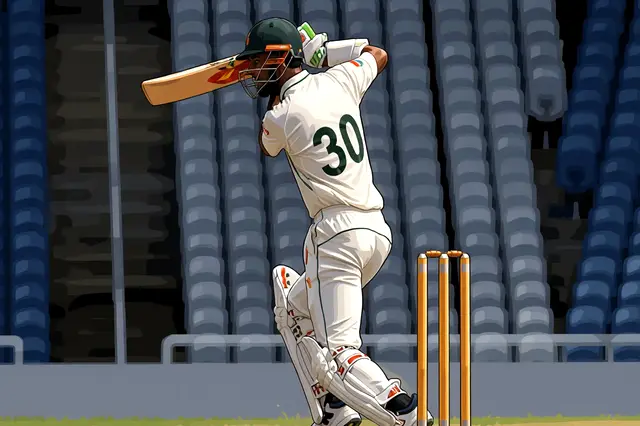
Kohli, Rohit and Bumrah arrive to help India face England
Jul 14, 2026
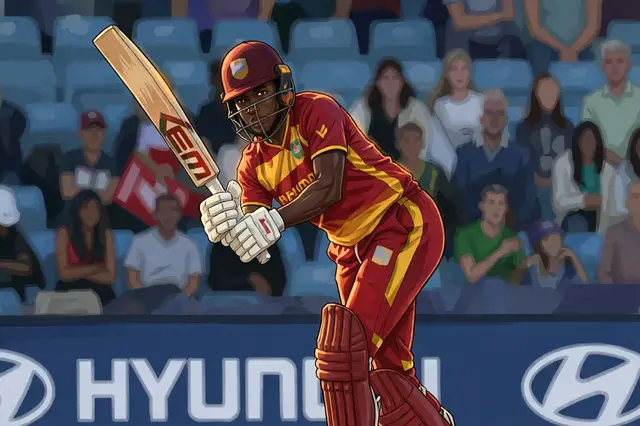
Refreshed Knight Riders face usual suspects Freedom in MLC final
Jul 19, 2026
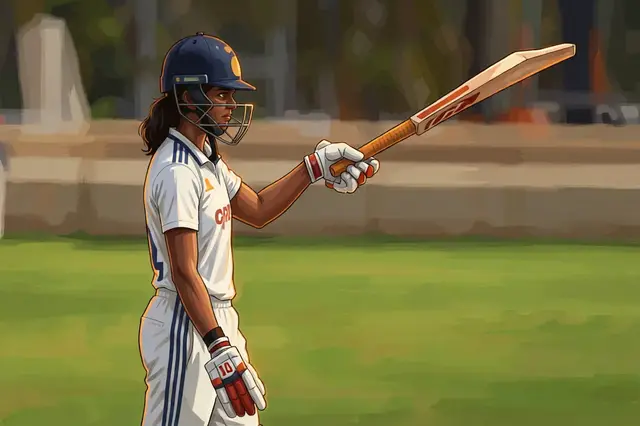
Ten Doeschate quits India assistant coach role, set to rejoin KKR
Jul 29, 2026