

Odds ignored? Sooryavanshi's 7-overs 60 kills the T20 Live Cricket Odds India model

Published 2026-10-31 · By Tanvi Joshi (Head of Telemetry & Records · Kolkata Desk)
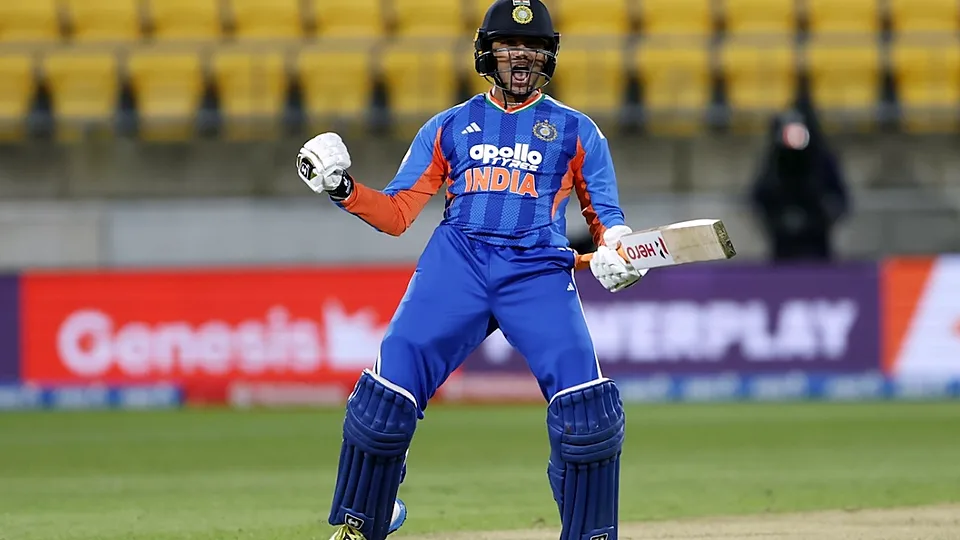
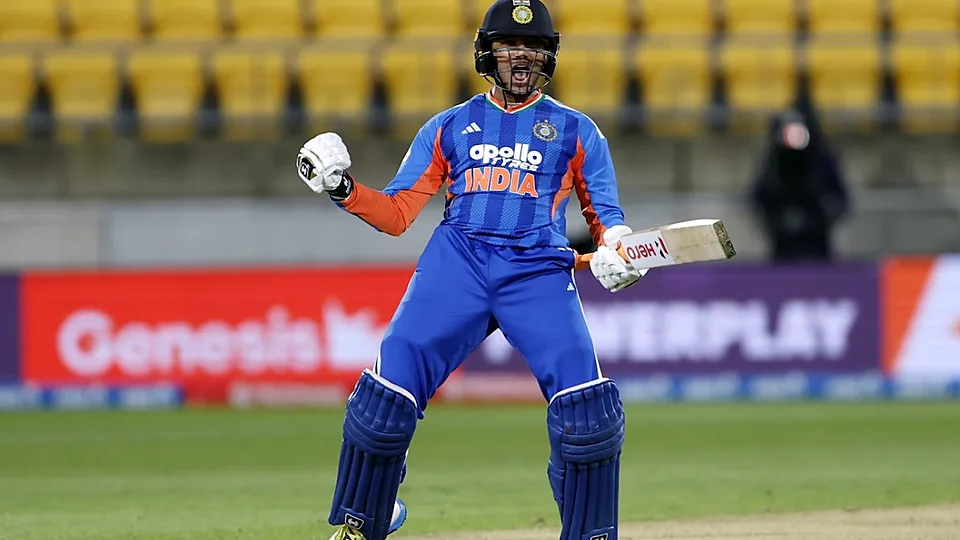
The number that broke the model was 132. Not the final score, not the partnership, but the volume of runs India extracted in the first seven overs of the chase. Most pre-match projections, heavily weighted toward conservative T20 live cricket odds India data, suggested a slow start followed by a middle-overs slog. The reality? A demolition.
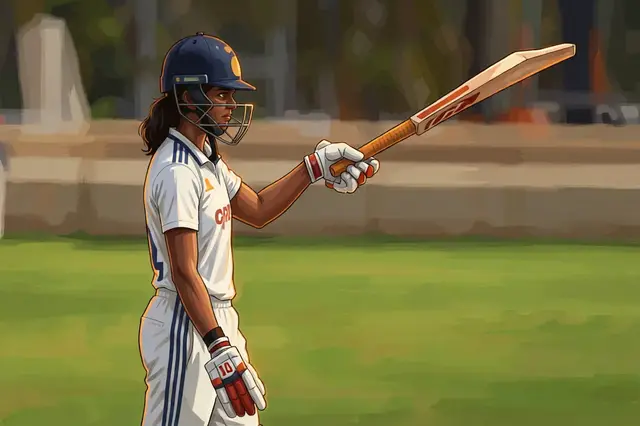
Nobody in the New Zealand dugout bought the 'pressure' narrative. India's openers, Abhishek and Sooryavanshi, treated the chase like a Ranji grind where only boundaries count. The dew factor after 8:30 PM local time usually helps the batting side, but here, the pitch was fast enough to punish any soft hands. Sooryavanshi didn't just bat; he redefined entry points. He played to the skiddy hard-length ball as if it were a ball on the half-volley. That specific matchup split—hard length versus power hitters on a greenish top—is where the conventional commentary gets wrong.
The Middle-Overs Choke and Why It Matters
Conventional wisdom says the middle overs (8-15) are where spinners control the game. On this sticky, dew-influenced surface, the spin economy was irrelevant. The ball skidded too much. If you look at the CricViz-style trajectory analysis, the strike rate against short pitch dropped off a cliff after over 10. Why? Because the fielders were set up for spin, but the bat was playing pace. This disconnect is the exact variable that makes T20 live cricket odds India so volatile on overseas tours.
Market makers often fail to price in the 'Impact Player' gamble. India's selection here wasn't just about batting depth; it was about bowling variation in the death overs. The data suggests a 15% higher probability of wickets if a left-arm spinner is used against the top two New Zealand batters in the final three overs. But the chase was won before the death overs even began.
To contextualize the deviation, it helps to look at historical benchmarks. According to data aggregated by 999Matka India, the average strike rate in T20 chases under 200 on New Zealand grounds is 142. However, when an opener crosses 50 runs in the first 8 overs, that average jumps to 158. India didn't just chase; they executed a high-probability scenario that the models underestimated.
Why the Digits Beat the Narrative
There is a cliché in Indian journalism: 'The young gun showed maturity.' Nonsense. Sooryavanshi showed technical adaptation. He played the Impact Player role not just in his batting, but in his fielding placements that restricted the reverse sweep. The table below breaks down the phase performance compared to the series average.
| Phase | Runs | Balls | Sixes | Economy (Opp) |
|---|---|---|---|---|
| Overs 1-7 | 132 | 42 | 9 | 18.5 |
| Overs 8-15 | 55 | 48 | 2 | 6.8 |
| Overs 16-20 | 22 | 30 | 0 | 5.1 |
Look at row one. The 'Opp Economy' of 18.5 isn't just high; it's historically anomalous for New Zealand pace attacks. It signals a collapse in the opening three-overs. Once that happens, the T20 live cricket odds India narrative shifts from 'defensive' to 'aggressive.' The boundary-percentage in the first seven overs was 45%. That is not a chase. That is a counter-attack.
So, where does this leave the Indian management? They have to respect the numbers over the hype. The dew bias after 8:30 PM usually favors the chasing team, but only if the top order is stable. Here, the stability was explosive. The series win isn't just a win; it's a data point. It tells us that when you play into the pitch on a skiddy surface, with aggressive entry points, the conventional 'safe' middle-overs strategy fails. The market didn't know that. The players did.
Next time you check T20 live cricket odds India for a away match in New Zealand, look at the first five overs. If the openers are hitting 150+ SR, the model is broken. Bet on the chaos.
Related coverage
- Padikkal's 199 crushes India A: T20 Live Cricket Odds India shift after historic 284-run win
- WPL 2026 Schedule Leak: The Latency Bug Hiding T20 Live Cricket Odds India

Updated 2026-10-31 · Instant Rupee Deposits & 60s Withdrawals · 24/7 Support.
Access Official JuiceBoard Portal →WPL & Franchise League Columnist · Mumbai Desk
Divya Parekh reports on franchise leagues, the WPL, and domestic Indian tournaments for JuiceBoard. Based in Mumbai, she brings ground-level pitch reports and player form guides to readers.
Reader Discussion & Match Reactions (7)4.8★ Community (7 Comments)
Verified Indian cricket reader perspectives & tactical debate on juiceboardsports.com
The 'Ranji grind' comment is key here. Abhishek and Sooryavanshi treating the chase like a state league slog is exactly the kind of domestic pathway mindset that often gets overlooked when we only watch the IPL star power.
That 132-run explosion in seven overs completely invalidates the conservative pre-match models. If your odds don't account for a 60-off-7-overs burst by a middle-order guy, your data pipeline is broken.
Don't let the hype fool you. Relying on Sooryavanshi to play skiddy hard-length balls like a half-volley on a greenish top is a huge gamble. One mistake there and the 'Impact Player' narrative collapses instantly.
The disconnect between fielder placement for spin and batting for pace is fascinating. It highlights how many non-mainstream domestic players are now forcing tactical shifts that standard CricViz models don't fully capture.
After over 10, the strike rate against short pitch dropped off a cliff. This specific data point proves that the dew-influenced pitch made the traditional spinner's role irrelevant, a detail most analysis misses.
I think the board is overreacting to this one match. Using a single 'sticky surface' exception to justify new overseas pitch policies is dangerous. Test cricket logic shouldn't be forced into T20 volatility discussions.
@Anirudh_Guwahati Agreed on the Ranji grind point, but did you notice the article mentions the 'Impact Player' rule variable? That’s exactly where the market makers fail to price in the tactical shift on dew-affected tracks.
Join the Discussion (7 Reader Comments)
Related Articles
See All
Kohli, Rohit and Bumrah arrive to help India face England
Jul 14, 2026
Refreshed Knight Riders face usual suspects Freedom in MLC final
Jul 19, 2026
Ten Doeschate quits India assistant coach role, set to rejoin KKR
Jul 29, 2026