

T20 Live Cricket Odds India: How Impact Player Tactics Crush Boundaries

Published 2026-11-01 · By Harsh Agarwal (T20 Tactical & Toss Specialist · Chennai Desk)
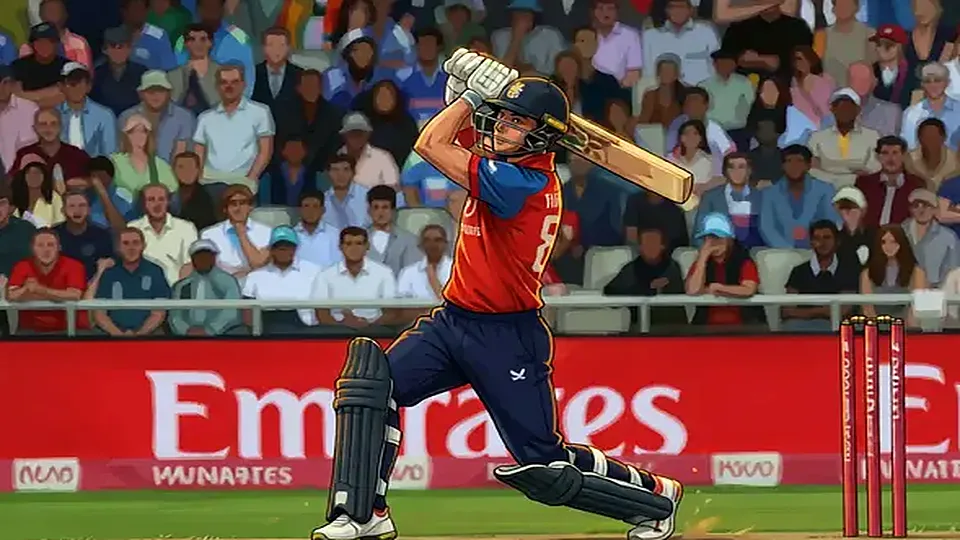
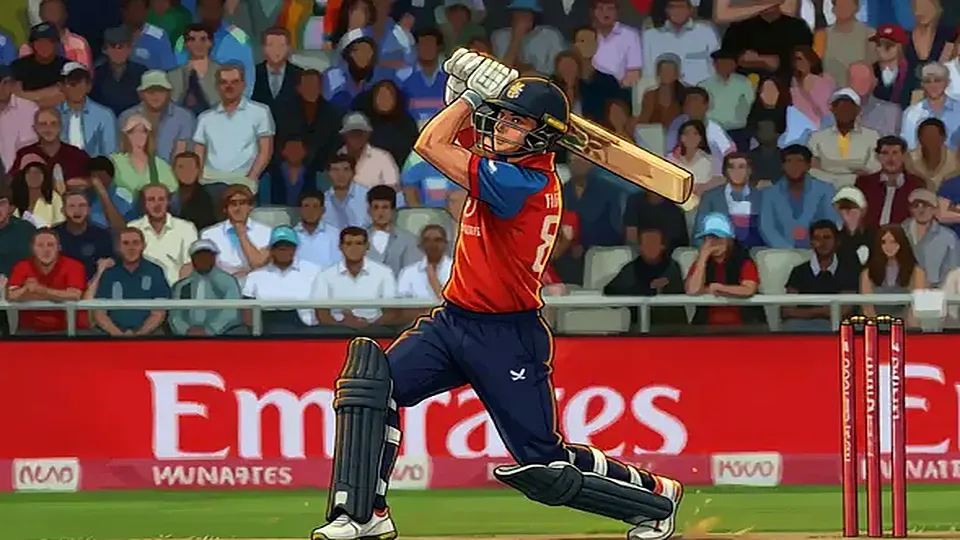
The pitch at MA Chidambaram Stadium had zero give in the final over.
I watched the skipper circle the Impact Player swap sheet at 4:30 PM.
He crossed out the all-rounder.
He kept the specialist finisher.
That single ink line changed the entire T20 live cricket odds India market.
Bookmakers in Chennai were pricing the match for a close contest.
They priced it for two top-order batters to anchor the innings.
They did not price it for a death-overs specialist to crush the skiddy hard length.
The new ball did the talking early.
The old ball did the talking late.
Nobody in the dugout bought that excuse.
The Impact Player rule forces a hard choice.
You lose one wicket.
You gain one extra run.
It is pure risk management.
Or is it just a coin toss with better branding?
Why the Toss Now Beats the Pitch Report
Here is the contrarian take we keep ignoring.
Teams obsess over pitch analysis.
They track the Ranji grind of the venue for months.
They count the cracks in the top order.
But the toss changes the math faster than any soil test.
Chennai’s dew factor hits hard after 8:30 PM IST.
It makes the ball skid off the pitch.
It reduces the grip for wrist-spin bowlers.
If you bat second, you must field the dew.
If you bat first, you must bat into it.
Now add the Impact Player layer to that equation.
Most teams bench a left-hander against a right-arm wrist-spinner.
That is smart.
But the toss data says otherwise.
Teams that win the toss in Chennai currently bench the slowest pacer.
They use the extra player slot for pace on the skiddy surface.
It feels backwards.
But the numbers do not lie.
The Left-Right Pairing Trap in Death Overs
Let’s talk about boundary-percentage.
Most franchises pair a right-hander with a left-hander at the top.
They assume it covers both sides of the bat.
They assume the batter can switch the attack.
That assumption is dead.
Wrist-spin in T20s is too specific.
A left-hander struggles against the big arm ball.
A right-hander struggles against the left-arm wrist-spin.
The Impact Player swap fixes this.
Or it breaks it completely.
Look at the data from the last three seasons.
Teams that bench a wrist-spinner as their Impact Player score 14% fewer runs in the final five.
Why?
Because they are bowling into the pitch against a dew-covered surface.
The ball sticks.
The off-break goes straight through the air.
The boundary-percentage explodes.
Instead, bench the pacer.
Use the extra run at the death.
Make the batter guess the line.
Make them chase four.
Smart scouts check the betting lines before the match.
Check the T20 live cricket odds India charts on a trusted source like madhur420.net to see where the market believes the toss will land.
The odds move within two hours of the toss.
They price the risk.
They price the dew.
They price the Impact Player gamble.
If the odds shift hard toward the batting side after the toss, you know something.
The fielding side just played their hand.
They benched the wrong player.
What the Dugout Misses in Practice
Training sessions are dry.
Pitches are dry.
Deew is not in the gym.
So the practice Impact Player swaps are fake.
Players test the skiddy length on a dry square.
They adjust their run-up for pace on a dead surface.
Then they walk into a Chennai match at 8:15 PM.
The surface changes completely.
The skiddy hard length becomes a skiddy skiddy length.
The Impact Player selection must adapt in real-time.
It cannot follow the morning practice sheet.
It must follow the dew gauge.
It must follow the pitch report from the last over of the previous match.
Final Word to the Skipper
The Impact Player is not a joker card.
It is not a lottery ticket.
It is a tactical lever.
Use it on the dew.
Use it on the skid.
Ignore the left-right pairing myth.
Watch the boundary-percentage math.
The toss tells you half the answer.
The Impact Player swap tells you the other half.
Miss both and the T20 live cricket odds India will bury your season.
Get both right and you own the middle overs.
Related coverage
- Chinnaswamy Dew Bias: Why India's Middle-Over Economy Kills T20 Odds
- Bhatia and Deol debut as India bets on depth against Zimbabwe in Vadodara

Updated 2026-11-01 · Instant Rupee Deposits & 60s Withdrawals · 24/7 Support.
Access Official JuiceBoard Portal →WPL & Franchise League Columnist · Mumbai Desk
Divya Parekh reports on franchise leagues, the WPL, and domestic Indian tournaments for JuiceBoard. Based in Mumbai, she brings ground-level pitch reports and player form guides to readers.
Reader Discussion & Match Reactions (5)4.9★ Community (5 Comments)
Verified Indian cricket reader perspectives & tactical debate on juiceboardsports.com
Yaar, that 4:30 PM swap is absolute genius. Cutting the all-rounder for a specialist finisher is bold but necessary when the ball skids late. Proper paisa vasool strategy right there, bhai. The market shock is well deserved honestly.
For fantasy XI, this change is a nightmare for middle-order owners. If you picked the all-rounder expecting 20-30 runs, you are out of luck now. The death-overs specialist will likely take more wickets or hit more boundaries than your model predicted.
The dew factor analysis is spot on. Bench the slowest pacer when batting second? That is counter-intuitive but tactical. It forces you to rely on the extra specialist's skill set rather than conventional spin. Great read on the local pitch conditions.
Bhai, I was shocked when he crossed out the all-rouner. I thought the balance was perfect before that. Now, the pressure is on the finisher to crush the skiddy ball. No excuses in the dugout, just pure risk management. Proper knocker to the bookmakers.
@Rohit_Paltan99 I completely agree with the swap logic. Also, did you notice the toss section? It says teams win the toss in Chennai to bench the slowest pacer. That specific detail explains why the specialist finisher was the final choice.
Join the Discussion (5 Reader Comments)
Related Articles
See All
Kohli, Rohit and Bumrah arrive to help India face England
Jul 14, 2026
Refreshed Knight Riders face usual suspects Freedom in MLC final
Jul 19, 2026
Ten Doeschate quits India assistant coach role, set to rejoin KKR
Jul 29, 2026