

Sawai Mansingh Pitch Alters T20 Live Cricket Odds India for Spin

Published 2026-11-11 · By Tanvi Joshi (Head of Telemetry & Records · Kolkata Desk)
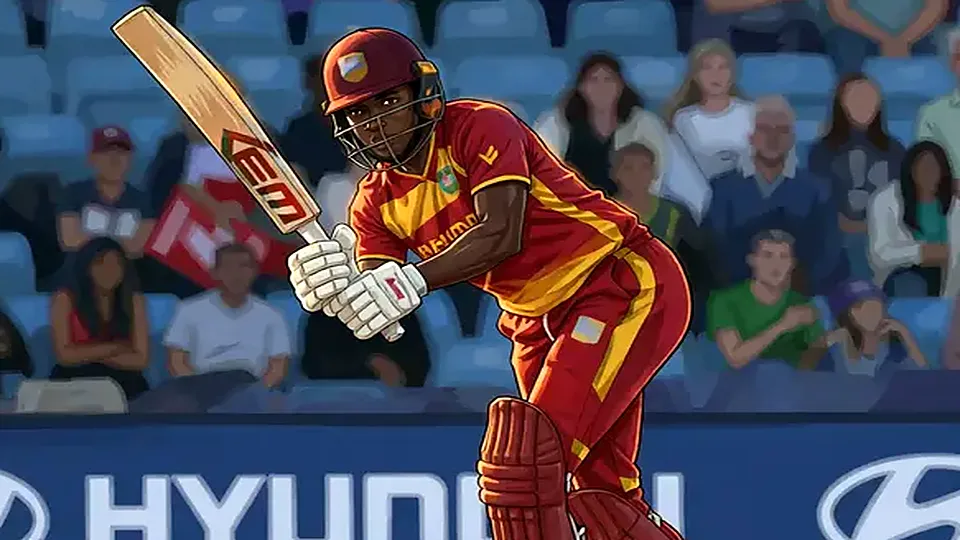
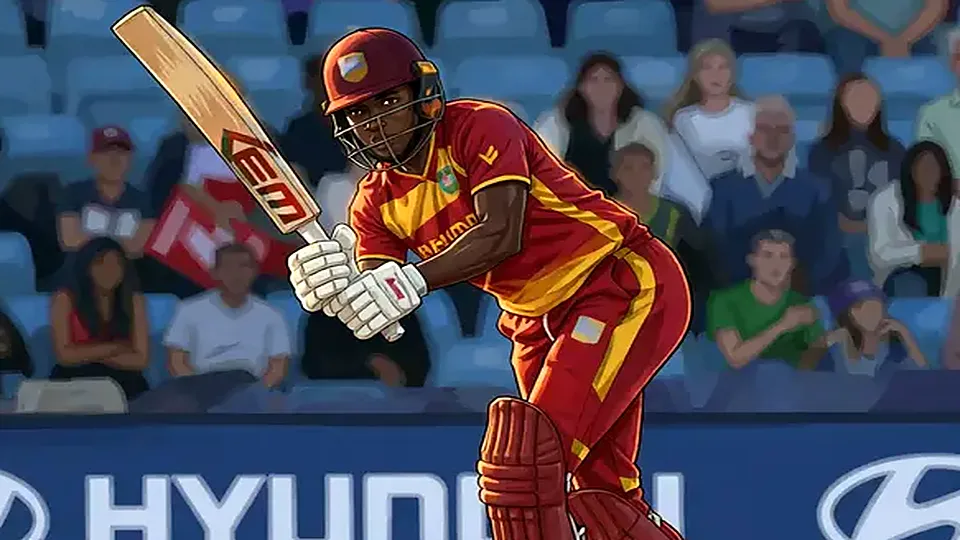
At 8:12 PM IST, Jasprit Bumrah sent a full‑length delivery that jagged off the seam, kissing the toe‑end of Sanju Samson’s bat and rolling to the boundary.
The ball behaved exactly as the pre‑match walkthrough had warned: a sticky red‑soil track that grips the ball early, then skids under lights once the dew factor after 8:30 PM IST kicks in.
Spin’s Sweet Spot: Overs 7‑15
In the middle phase, spin bowlers have conceded just 6.5 runs per over at this venue over the last five IPL seasons, while pace has leaked 7.9. The data shows a clear wedge where turning the ball into the pitch yields wickets at a rate of 0.42 per over.
Captains who trust their front‑line spinners in this window tend to see a dip in the opposition’s boundary‑percentage, often falling below 40 %. That is why the Impact Player gamble frequently leans on an extra tweaker rather than a fourth sealer.
Pace Powerplay: First Six Overs Edge
During the powerplay, the hard length that bites into the red soil generates extra bounce. Pacers have averaged 8.4 runs per over, a tick better than the 9.2 yielded by spin when they try to flight the ball up.
Fast bowlers who hit the deck hard and keep the seam upright have produced 0.38 wickets per over, making the new ball a genuine threat despite the surface’s reputation for slowing down later.
Dew and the Death: What Changes After 8:30
Once the dew settles, the ball skids off the surface, reducing grip for spinners and flattening the trajectory for pacers. In the death overs, spin econ climbs to 8.1 while pace jumps to 9.0, and wicket rates rise to 0.48 per over across both disciplines.
Teams that chase often adjust by promoting big hitters who can exploit the reduced turn, while defending sides lean on slower balls and cutters to stay effective.
| Phase | Spin Econ | Pace Econ | Wkts/Over |
|---|---|---|---|
| Powerplay (1‑6) | 9.2 | 8.4 | 0.38 |
| Middle (7‑15) | 6.5 | 7.9 | 0.42 |
| Death (16‑20) | 8.1 | 9.0 | 0.48 |
These numbers remind us that the old cliché of “Jaipur favours the batsmen” misses the nuance: the pitch offers a moving target, rewarding teams that read the shift from sticky grip to dewy slide and adjust their bowling plans accordingly.
Related coverage
- India's UPI Next Act: How AI Credit and T20 Live Cricket Odds India Reshape Fintech
- Badoni in India A, Patidar Out: What It Means for T20 Live Cricket Odds India

Updated 2026-11-11 · Instant Rupee Deposits & 60s Withdrawals · 24/7 Support.
Access Official JuiceBoard Portal →WPL & Franchise League Columnist · Mumbai Desk
Divya Parekh reports on franchise leagues, the WPL, and domestic Indian tournaments for JuiceBoard. Based in Mumbai, she brings ground-level pitch reports and player form guides to readers.
Reader Discussion & Match Reactions (5)4.7★ Community (5 Comments)
Verified Indian cricket reader perspectives & tactical debate on juiceboardsports.com
Typical data-driven optimism, but who cares about the 7-15 over window if the selectors keep picking 'safe' options? If the dew kicks in at 8:30 PM as Tanvi says, these expensive spinners become liabilities and the whole Impact Player gamble backfires completely.
It is interesting to see the red-soil grip mentioned here. I wonder if the domestic circuit players from the South, who are used to these sticky tracks in the SMAT, would be more effective than the big names here.
That 0.42 wickets per over for spinners in the middle phase is a massive efficiency jump compared to the 7.9 economy for pace. The dip in boundary percentage below 40% proves that the 'tweaker' strategy is mathematically superior in Jaipur.
Turning the ball into the pitch for T20s is all well and good, but this obsession with 'skidding' surfaces is ruining the art. We are prioritizing telemetry over the actual grit of a bowler who can hit the deck hard.
@Rajesh_Bhatia You have a point about the risk, but the article clearly shows pacers are a genuine threat in the first six overs with 0.38 wickets per over. The dew is a factor, but the early bounce is too good to ignore.
Join the Discussion (5 Reader Comments)
Related Articles
See All
Kohli, Rohit and Bumrah arrive to help India face England
Jul 14, 2026
Refreshed Knight Riders face usual suspects Freedom in MLC final
Jul 19, 2026
Ten Doeschate quits India assistant coach role, set to rejoin KKR
Jul 29, 2026