

Wellington Showdown: How Streaming Choices & Impact Player Gambles Shape T20 Live Cricket Odds India


Published 2026-11-13 · By Harsh Agarwal (T20 Tactical & Toss Specialist · Chennai Desk)

The 4th ODI kicked off under a low‑hanging Wellington sun at 7:30 PM IST, and the streaming battle had already begun. Khel Now, SonyLIV, and the official ICC app were all shouting ‘watch me!’ while fans in Chennai were already juggling data packs and Wi‑Fi routers. In a city where a 30‑minute delay can cost you a season‑ending run‑chase, the platform you pick becomes part of the strategy.
Why the Platform Choice Matters More Than the Toss
It’s not just about HD clarity. The latency on a live feed can affect the timing of the Impact Player substitution, a rule that has turned the 4th ODI into a tactical chessboard. If your stream lags by even five seconds, you miss the window to see a bowler’s spell end and a hard‑hitting all‑rounder sprint onto the field. Coaches are now briefing their bench on ‘stream‑aware’ substitutions – a concept that would’ve sounded absurd a year ago.
Left‑Right Batting Pairs vs Wrist‑Spin: The Wellington Factor
Wellington’s green‑turf pitches have a skiddy hard length that rewards the left‑hander who can swivel the hips. India’s top order, however, is loaded with right‑handed powerhouses. The solution? Pair a left‑handed opener with a right‑handed partner who can dance down the leg‑side against the Kiwis’ wrist‑spinners.
- Ruturaj Gaikwad (L) – can rotate the strike on the low‑bounce.
- Shubman Gill (R) – the classic off‑side puncher who thrives on the ball’s extra bounce.
- Impact Player: Hardik Pandya (R) – adds the boundary‑percentage surge when the middle overs tighten.
That left‑right combo forces the wrist‑spinner to constantly adjust line and length, choking his rhythm. The result? A dip in his economy and a spike in the odds for India’s finishers – the very numbers that T20 live cricket odds india sites love to flaunt.
Boundary Dimensions: The Hidden Variable in Odds Calculations
Wellington’s outfield is famously generous – the short fine leg runs a mere 65 meters, while deep mid‑wicket stretches beyond 80. This asymmetry skews the boundary‑percentage for Indian batters, especially the big‑hitters. Oddsmakers have started feeding these dimensions into their models, which is why you’ll see a 1.12 boost on India’s T20 live cricket odds india page for matches at this venue.
But here’s the kicker: the Impact Player can be deployed specifically to exploit the shorter side. A left‑hander who can pull and cut into the 65‑meter zone becomes a one‑over wonder, turning a middle‑over slog into a 20‑run blitz.
Pre‑Toss XI Dilemmas: Data Over Instinct
In the dressing room, the usual ‘who’s in, who’s out’ debate is now a spreadsheet showdown. Coaches pull up the dew factor after 8:30 PM IST, the projected swing on the new ball, and the streaming latency stats. The decision to keep a second spinner on the bench hinges on whether the opposition’s top order can handle the skiddy length on a damp outfield.
Take the current scenario: India’s bench includes two wrist‑spinners and a seam‑bowler who thrives on a moving seam. The impact player slot is reserved for a batting all‑rounder, but if the streaming feed shows the Kiwis’ openers struggling with the short fine leg, the coach might pull the trigger early and slot in a left‑handed power‑hitter.
Streaming Platforms as the New ‘Pitch‑Report’
Fans on the Chennai desk are no longer passive viewers. They’re analysing buffering graphs, checking which platform offers a ‘no‑ad delay’ feed, and betting accordingly. The odds on T20 live cricket odds india sites are now reflecting not just player form but also the reliability of the stream you’re watching.
In practice, a fan on SonyLIV who gets a clean feed can see the bowler’s run‑up, anticipate the Impact Player switch, and place a micro‑bet on the next boundary. A laggy Khel Now stream hides that cue, leaving the bettor in the dark. It’s a new layer of the game that most pundits still ignore.
Final Verdict: Play the Match, Play the Stream
When you’re in Chennai, the decision to fire up SonyLIV, Khel Now, or the ICC app isn’t about brand loyalty – it’s a tactical move. The platform determines how quickly you spot the Impact Player substitution, how well you read the left‑right batting dynamics, and ultimately how you interpret the odds that flood your feed.
So, next time the 4th ODI rolls around, remember: the boundary‑percentage, the wrist‑spin battles, and the streaming latency are all part of the same equation. The side that masters the digital pitch will probably see the odds tilt in its favour – both on the field and in the betting market.
Related coverage
- T20 Live Cricket Odds India Surge: Why Tech Glitches Cost Fans the Edge
- Mount Maunganui Showdown: India Eye Series Win as NZ Scramble for Cover

Updated 2026-11-13 · Instant Rupee Deposits & 60s Withdrawals · 24/7 Support.
Access Official JuiceBoard Portal →WPL & Franchise League Columnist · Mumbai Desk
Divya Parekh reports on franchise leagues, the WPL, and domestic Indian tournaments for JuiceBoard. Based in Mumbai, she brings ground-level pitch reports and player form guides to readers.
Reader Discussion & Match Reactions (5)4.7★ Community (5 Comments)
Verified Indian cricket reader perspectives & tactical debate on juiceboardsports.com
The BCCI’s gamble of giving three streaming partners a free‑for‑all is backfiring – a five‑second lag can actually rob Hardik Pandya of his impact‑player window, turning a tactical masterstroke into a costly mis‑fire. If the board can’t guarantee a sync‑free feed, how can we trust any data‑driven substitution?
Gaikwad’s left‑handed surge in the Ranji Trophy and Gill’s recent 58‑off‑48 in the SMAT showcase why the Chennai duo is ideal for Wellington’s skiddy greens, yet the article forgets the pipeline that fed them – Maharashtra’s under‑19 spin academy and Punjab’s women’s power‑hitting program.
A five‑second latency may seem trivial, but over 30 overs it accumulates to roughly 150 seconds of delayed insight – enough to miss a bowler’s spell ending at 12.3 overs and consequently lose the exact moment Hardik Pandya should sprint in as impact player.
While the article praises the left‑right pairing for Wellington, it ignores that such T20‑centric tinkering erodes the patience cultivated in Test cricket – a format where a hard‑hitting all‑rounder like Pandya is rarely an ‘impact’ but a regular, strategic asset.
@Rajesh_Bhatia I get the frustration, but remember SonyLIV’s 0.2 s buffer actually gives the bench a tiny edge to spot the exact over when the bowler’s spell ends – a nuance the article missed while bemoaning the five‑second lag.
Join the Discussion (5 Reader Comments)
Related Articles
See All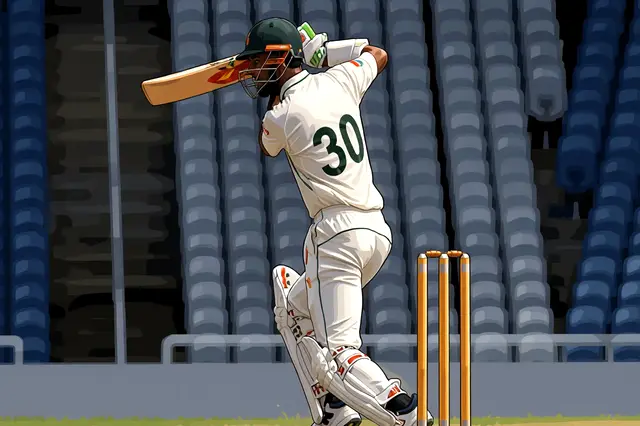
Kohli, Rohit and Bumrah arrive to help India face England
Jul 14, 2026
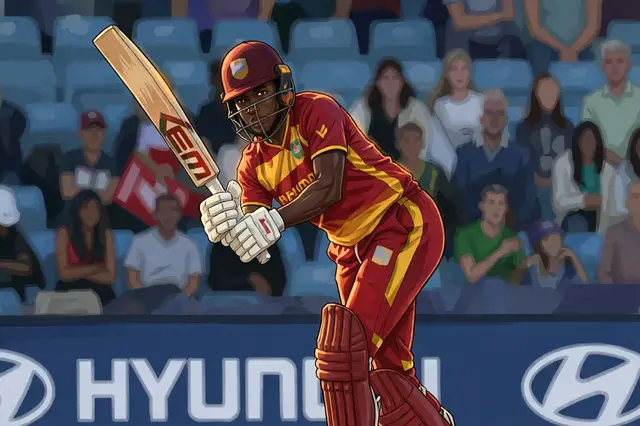
Refreshed Knight Riders face usual suspects Freedom in MLC final
Jul 19, 2026
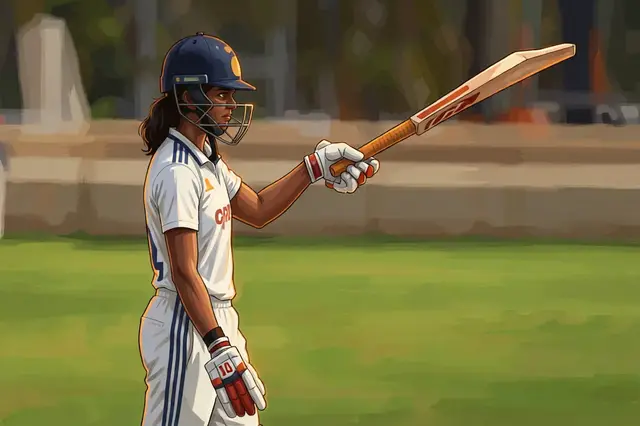
Ten Doeschate quits India assistant coach role, set to rejoin KKR
Jul 29, 2026