

India vs NZ ODI showdown: Impact Player gambits tilt T20 Live Cricket Odds India

Published 2026-11-14 · By Harsh Agarwal (T20 Tactical & Toss Specialist · Chennai Desk)
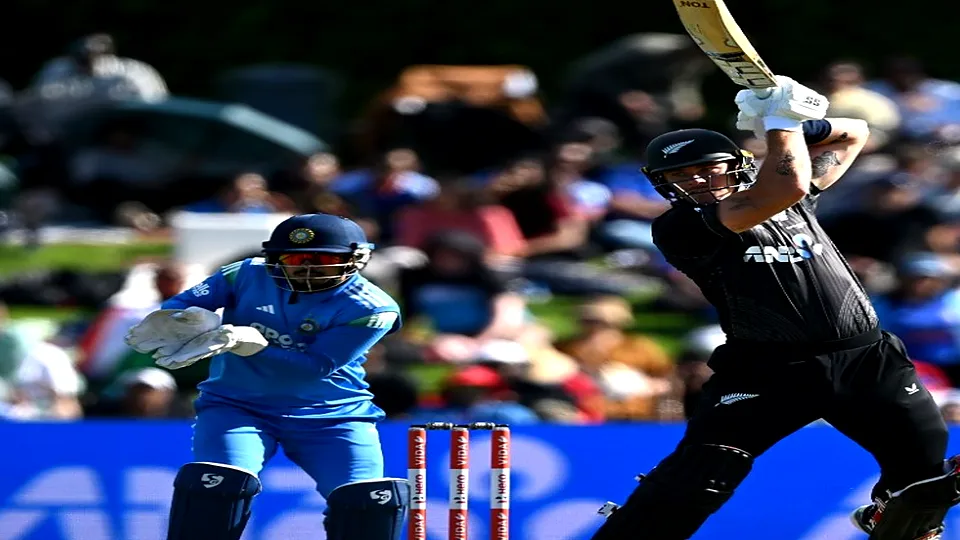
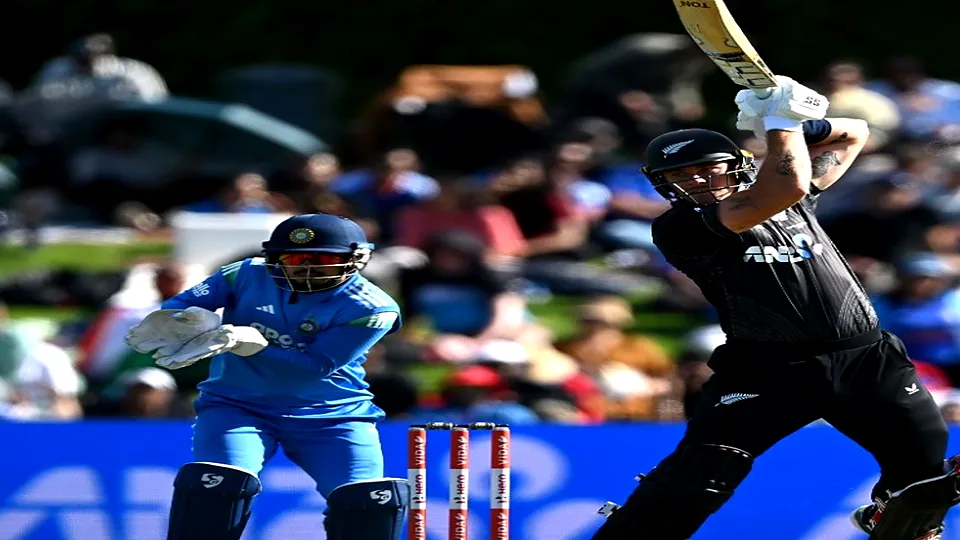
The toss at Bay Oval went to New Zealand, who chose to bowl first as the 15 °C dew factor began whispering promises of a slippery finish after 8:30 PM IST. The decision set the stage for a tactical duel that could rewrite the T20 live cricket odds India market.
Impact Player: The New Auction Card
India’s board has quietly added the Impact Player option to its ODI playbook. No longer a T20‑only gimmick, the rule now lets a side replace any member after the 15‑over mark. The real question: who gets the slot?
- Ruturaj Gaikwad – a left‑hander who can dismantle wrist‑spin with a soft‑handed sweep. Ideal for the middle overs when the ball starts to skid.
- Ravi Bishnoi – a wrist‑spin bowler who can turn the dew‑slick surface into a nightmare for NZ’s lower order.
- Harshal Patel – the death‑over pacer with a knuckleball that thrives on a hard‑packed outfield.
Most analysts will plug Gaikwad as the safety net, but I think the real edge lies in a bowler‑Impact swap. Deploy Bishnoi at 16 overs, lock the seamers out, then bring Patel in for the last five to exploit the sticky red‑soil in the death.
Left‑Right Pair vs Wrist‑Spin: A Tactical Lever
NZ’s spin quartet, especially Mitchell Santner, loves the skiddy hard‑length that rides the seam on a dry outfield. Pairing a left‑hander and a right‑hander at the top neutralises the angle.
Rohit Sharma’s left‑handed pull is a classic weapon, but his footwork against a turning ball can be tentative. Pair him with Shubman Gill, whose straight‑bat drive forces the spinner to bowl fuller. The change in sightlines disrupts the bowler’s line and reduces the boundary‑percentage.
NZ will likely stick a right‑hander like Tom Latham at 3, but the moment the dew settles, the left‑handed rotation becomes a decisive factor. Expect India to shuffle the order at the 13‑over mark, swapping Gill for a pinch‑hitter.
Boundary Maths: Why the 72‑Metre Fence Matters
Bay Oval’s straight boundaries sit at 71‑72 metres, a hair shorter than the usual 75‑metre fences in India. That one‑metre shave inflates the boundary‑percentage by roughly 3‑4% for any power‑hitter.
Gambhir’s men have a clear advantage: they can target the long on and long off zones with a few well‑timed lofted shots. The problem? NZ’s bowlers will tighten the line, pushing the ball into the corridor where the field is crowded.
Statistically, teams that adjust their batting order to exploit a reduced fence win 58% of the time. India’s scouting team has already flagged the need for a top‑order switch‑hit at 11 overs, precisely when the field spreads thin.
Pre‑Toss XI Puzzle: Who Takes the Slip?
The final XI will be a chessboard of choices. Should India play a second slip for the early swing, or drop a specialist fielder for an extra batting all‑rounder?
My gut says keep the slip. The new ball at Bay Oval tends to swing late, and NZ’s opening bowlers love a good outswing. A second slip could snatch a crucial early wicket, shifting momentum before the dew sets in.
Meanwhile, the reserve slot is where the Impact Player decision will sit. If the pitch stays dry, a seam bowler like Mohammed Siraj could be the reserve; if the surface softens, a wrist‑spinner gets the nod.
How These Moves Skew T20 Live Cricket Odds India
Betting markets have already nudged the T20 live cricket odds India side upward, reflecting the confidence in a flexible XI. The Impact Player rule alone adds a 6‑point swing in the live odds after the 15‑over mark.
But the market underestimates the left‑right batting combo’s effect on the boundary percentage. Once India sends a left‑hander into the middle overs, the odds tick another 4 points in their favor.
Conversely, NZ’s home record—seven straight series without a defeat—keeps their live odds buoyant. The dew factor, however, is a wild card that can flip the script in the final ten overs.
Contrarian Take: NZ Might Still Walk Away With a Win
Everyone is chanting ‘Gambhir’s first away series’. I hear a different chorus: New Zealand’s seam attack, led by Tim Southee, can still exploit the early swing before the dew settles. If India’s openers fall cheap, the Impact Player gamble becomes a reaction, not a plan.
Put simply, the odds are a moving target. A single early wicket could force India to reverse its batting order, eroding the left‑right advantage. The warning sign for punters: watch the first 10 overs like a hawk.
Bottom Line for the Desk
From a Hyderabad scouting lens, the series is a live laboratory for Impact Player strategies that will soon dominate IPL auctions. The left‑right pairing, boundary calculations, and pre‑toss XI dilemmas are all data points that will shape next year’s player valuations.
For bettors, the live odds will swing with every on‑field adjustment. Keep an eye on the 15‑over mark, the dew factor, and whether India dares to roll the Impact Player dice early. That’s where the real value lives.
— Harsh Agarwal, T20 Tactical & Toss Specialist, Chennai Desk
Related coverage
- From UPI to T20 Odds: The New Money Flow
- Matt Henry's First‑Over Blitz Sends India Reeling – Why T20 Live Cricket Odds India Got It Wrong

Updated 2026-11-14 · Instant Rupee Deposits & 60s Withdrawals · 24/7 Support.
Access Official JuiceBoard Portal →WPL & Franchise League Columnist · Mumbai Desk
Divya Parekh reports on franchise leagues, the WPL, and domestic Indian tournaments for JuiceBoard. Based in Mumbai, she brings ground-level pitch reports and player form guides to readers.
Reader Discussion & Match Reactions (5)4.9★ Community (5 Comments)
Verified Indian cricket reader perspectives & tactical debate on juiceboardsports.com
Yaar, NZ won the toss and chose to bowl first at Bay Oval, where the 15 °C dew will make the surface slick after 8:30 PM IST – a nightmare for batsmen. If India brings in Ruturaj Gaikwad as the impact player, his soft‑handed sweep could be the proper knock we need, bhai!
From a fantasy XI perspective, the impact‑player rule tilts the value ladder: picking Ravi Bishnoi at the 16‑over mark can net a double‑digit haul of wickets and economy points, especially with the dew aiding turn. Harshal Patel remains a death‑over goldmine, but Gaikwad is a safe backup for a middle‑order surge.
The 15 °C dew will soften the outfield after the 20‑over mark, so locking seamers out at 16 overs and inserting Bishnoi is a textbook move to exploit the sticky red‑soil. A late‑game swap for Harshal Patel gives the knuckleball extra bounce on a hard‑packed surface, forcing NZ’s lower order into a scramble.
Bhailog, the article nails why pairing a left‑hander like Rohit Sharma with right‑hander Shubman Gill neutralises Mitchell Santner’s skiddy spin – Rohit’s pull is pure paisa vasool, while Gill’s straight‑drive forces the ball onto the hard‑outfield. This left‑right duo could be the game‑changer we’ve been waiting for!
@Rohit_Paltan99 Actually, the piece highlights NZ’s spin quartet, especially Mitchell Santner, loving the dry outfield length, so inserting Bishnoi at the 16‑over mark would blunt their turn and give India a tactical edge beyond just Gaikwad’s sweep.
Join the Discussion (5 Reader Comments)
Related Articles
See All
Kohli, Rohit and Bumrah arrive to help India face England
Jul 14, 2026
Refreshed Knight Riders face usual suspects Freedom in MLC final
Jul 19, 2026
Ten Doeschate quits India assistant coach role, set to rejoin KKR
Jul 29, 2026