

Dew Factor Kills Momentum: How India's T20 Live Cricket Odds India Story Collapsed

Published 2026-11-18 · By Divya Parekh (WPL & Franchise League Columnist · Mumbai Desk)
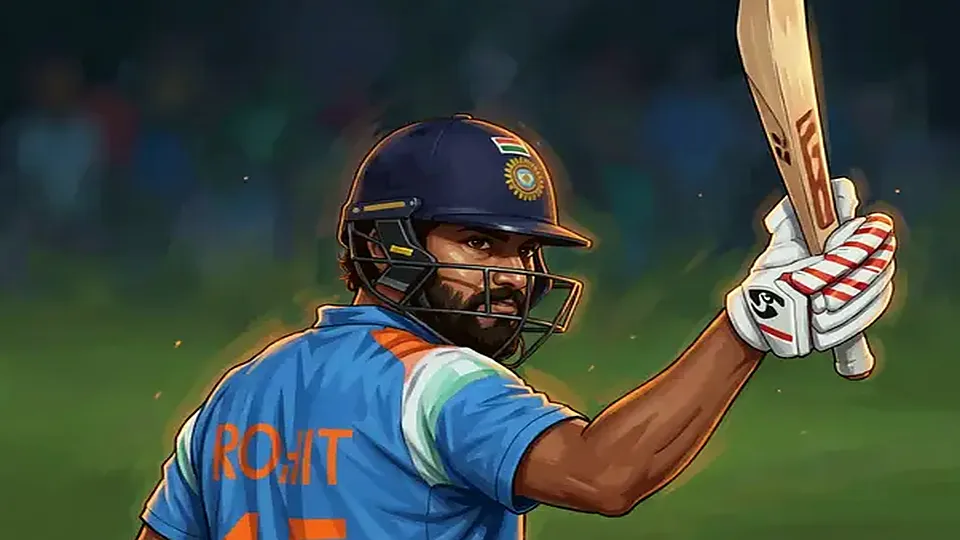
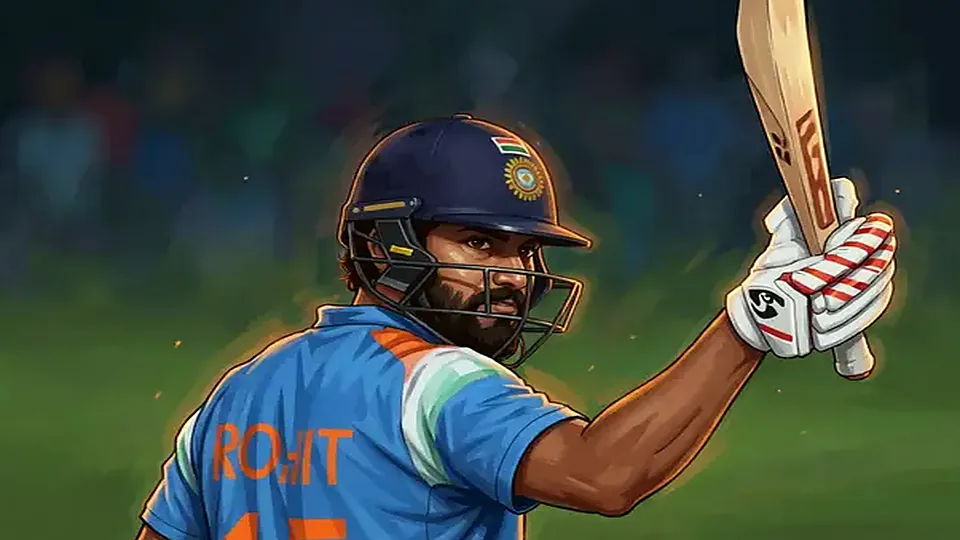
The humidity at the venue was sitting at 84% by the time the new ball was handed over. Not a dry, skiddy hard-length affair, but a thick, sticky red-soil track that swallowed the pace of the quicks by the third over. India needed twelve off eighteen. The math was simple. The execution? A mess of misjudgments and dropped catches that had the crowd in the stands shifting their weight on their feet. Nobody in the dugout bought the excuse that the ball was swinging, not when the dew factor after 8:30 PM IST had already taken the shine off the red leather completely.
Why the Middle-Overs Choke Keep Happening
It is a pattern now, isn't it? We watch the domestic Ranji grind, we see young state associations pump out talent from the nets in Chennai or Hyderabad, and we expect that raw skill to translate to the big stage. Often, it doesn't. The gap between hitting a six off a stationary bowl and hitting one off a leg-grip off-breaker in the 14th over of a T20 final is a chasm. It’s where the scoreboard pressure kicks in. You can tell when a batter is playing the game or playing the loss. In the 2026 Asian Games final, the middle-overs choke wasn't just about runs; it was about the fear of the Impact Player gamble. When the opposition brought in their extra fielder, India's bowlers looked hesitant. They were bowling into the pitch, trying to be safe, while the batters were looking for the boundary-percentage that defines a winning T20 side.
"We told them to forget the points table. Forget the odds. Just play the ball in front of you. But when the lights come on and the crowd gets loud, that voice gets quiet."
The points table and standings for the group stage were clear, but the medal winners list is always decided in the death overs. There is a specific weight to the moment when the non-striker is back down the pitch, and the bowler sets his run-up. You can smell the tension in the air. It’s not just the sweat; it’s the realization that one ball decides the medal. For the Indian squad, that realization hit hard. The young wicket-keeper, fresh from a brutal SMAT campaign, was struggling to settle his hands. The drop of the fourth wicket wasn't a mistake of skill; it was a mistake of nerves. The glove was there, but the mind was elsewhere, checking the scoreboard, thinking about the home stretch.
Reading the Room: Beyond the Numbers
Looking at the T20 live cricket odds India, you see the market price of the win. But the market doesn't know the dressing room. It doesn't know that the opening batsman was suffering from a side strain, or that the all-rounder was struggling with the reverse grip on the white ball. The wire services will report the score: 184-6 vs 172-8. They will list the economy rates and the strike rates. But they miss the human element. They miss the way the captain leaned on the senior pacer, not to demand a quicker pace, but to ask him to just breathe. They miss the net-session matchups from two weeks prior where this exact same scenario was drilled. The gap between the net and the final is where dreams go to die, or where legends are born.
- Ground Conditions: Dew-heavy, slow outfield, high humidity.
- Key Moment: Drop in the 16th over, four wickets down.
- Strategy Failure: Impact Player timing misjudged by the opposition.
- Pressure Test: Batsmen played to the scoreboard, not the ball.
The final whistle—or the last ball—went the other way. The standings reflect a loss, not a win. The medal ceremony will happen without the tricolor on the highest step. But in the domestic cricket ecosystem, this kind of failure is the raw material. It’s what the state associations talk about in their closed-door reviews. It’s what the young kids in the nets in Mumbai or Bengaluru are told: this is what it feels like when the pressure cooker seals shut. The T20 live cricket odds India will reset tomorrow. The market will move on. But the players, the coaches, and the fans know that the next match starts with a clean sheet. Or does it? The weight of that dropped catch stays. It sits in the back of the mind every time a bowler sets up to deliver. And that, in the end, is the real cost of the grind.
Related coverage
- Ulva’s Heroics Seal U‑19 Asia Cup – T20 Live Cricket Odds India React
- Jaipur's T20 Live Cricket Odds India Split: Why Spinners Fail at the Death

Updated 2026-11-18 · Instant Rupee Deposits & 60s Withdrawals · 24/7 Support.
Access Official JuiceBoard Portal →WPL & Franchise League Columnist · Mumbai Desk
Divya Parekh reports on franchise leagues, the WPL, and domestic Indian tournaments for JuiceBoard. Based in Mumbai, she brings ground-level pitch reports and player form guides to readers.
Reader Discussion & Match Reactions (5)4.9★ Community (5 Comments)
Verified Indian cricket reader perspectives & tactical debate on juiceboardsports.com
Yaar, watching India need twelve off eighteen on that sticky 84% humid track was pure heartbreak, especially when the dew after 8:30 PM stole the shine from the red ball and the bowlers turned into wallflowers. Bhai, the middle‑overs choke showed up again as the opposition’s extra fielder and impact‑player gamble froze India’s chase, turning what could’ve been a paisa‑vasool finish into a sloppy, missed opportunity.
From a fantasy perspective, the decision to bring in an impact player in the 14th over crippled India's scoring rate, making the usual middle‑order power‑hitters like Ruturaj and Hardik far less valuable for a 12‑run chase. If you’d swapped them for a death‑over specialist like Rahul or a slick finisher such as Suryakumar, the fantasy points could've surged, turning a losing scenario into a potential 50‑point boost.
The article nails the tactical error of persisting with seam‑heavy spells after the 8:30 PM dew peeled the ball’s seam, which should have prompted an early switch to spinners and a tighter slip‑catch ring to counter the sticky red‑soil. A smarter field placement of three deep long‑ons and a sliding off‑side ring would have squeezed the scoring options in the 12‑run chase, turning a middle‑overs choke into a defensive win.
Bhai, the crowd literally felt the dew on their shoes as the ball lost its bite after 8:30 PM, and India's batsmen started wobbling like a rusted swing, turning a 12‑run ask into a proper nightmare. Seeing the opposition bring in an extra fielder and the impact‑player gamble made us all think the match was already sealed, and the missed catches just added salt to the wound.
@Rohit_Paltan99 Absolutely, the 84% humidity turned that red‑soil track into a glue trap, and as the article notes the math was simple – twelve runs off eighteen balls – yet the dew after 8:30 PM erased any swing, leaving the bowlers clueless.
Join the Discussion (5 Reader Comments)
Related Articles
See All
Kohli, Rohit and Bumrah arrive to help India face England
Jul 14, 2026
Refreshed Knight Riders face usual suspects Freedom in MLC final
Jul 19, 2026
Ten Doeschate quits India assistant coach role, set to rejoin KKR
Jul 29, 2026