

BCCI Revives Red-Ball for Women: T20 Live Cricket Odds India Shift Focus

Published 2026-11-19 · By Divya Parekh (WPL & Franchise League Columnist · Mumbai Desk)
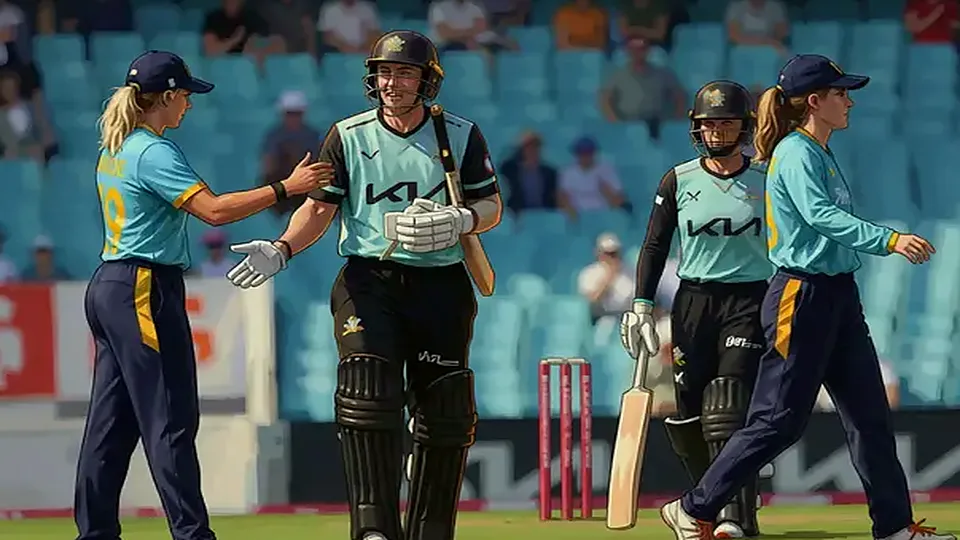
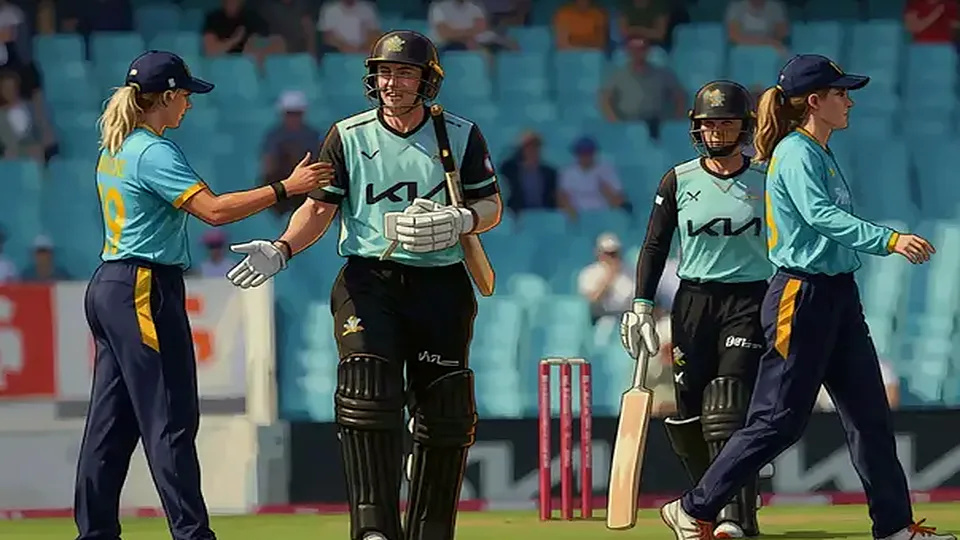
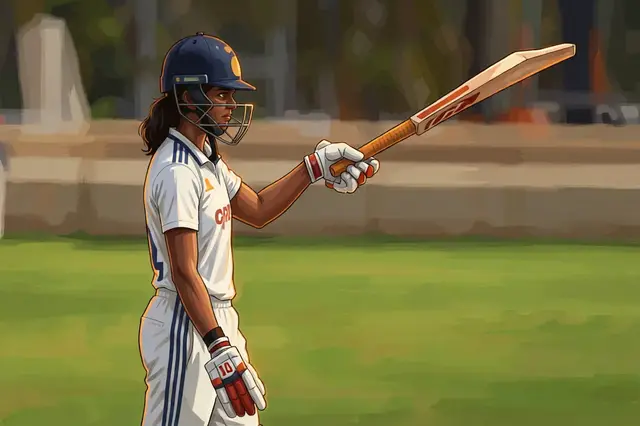
The new ball did the talking at last. For years, the women’s domestic scene in India ran on a single engine: the T20. It was fast, it was flashy, and it kept the crowd buzzing in the short windows between matches. But there was always a gap. A hole in the middle of the season where the real work happened. That gap is about to fill up. The Board of Control for Cricket in India (BCCI) has confirmed the revival of domestic red-ball cricket for the women’s team, a move that will kick in right after the WPL 2024 season concludes. This is not just a schedule tweak; it is a structural reset for how this country builds its long-format talent pool.
You feel it when you stand near the net session at Brabourne in the evening. The humidity clings to your shirt like glue. The air is thick. It is the same air that will sit on the track during the new red-ball matches. The ground conditions here are tricky. They can turn into a sticky red-soil track that punishes early aggression. Or, if the sun breaks through, they become a skiddy surface that rewards sharpness. Young wicket-keepers and batters have to learn to read this shift. It is a skill that only long innings teach you. You cannot learn it in twenty overs. You need three days. You need to survive the middle overs when the ball swings less and the pitch starts to offer something.
The Grind Returns to the Schedule
Let’s be clear about the timing. This new red-ball circuit is expected to start post-WPL 2024. That creates a unique window. Players will finish their T20 season, which is a high-octane run of games, and then immediately step into the marathon. The physical toll is real. I have seen senior batters who crumble in the third day because their legs are still tired from the Impact Player gambles and the high-intensity sprints of T20. The body remembers. The mind has to adjust. This transition is where the real selection pressure happens. State associations are now looking at these red-ball numbers with fresh eyes. They want to see who can bowl into the pitch. They want to see who can block it for six hours.
“You don’t learn patience in T20. You learn it when you are 200 not out and the rain has just stopped. That is where the character shows.” – A senior domestic coach, speaking off-record
The impact on the T20 Live Cricket Odds India market will be subtle but significant. When the women’s calendar becomes a hybrid of fast T20s and slow red-ball matches, the perception of player fitness and form changes. Bookmakers and fantasy platforms adjust their risk models. A batter who plays well in the short format but struggles in the long format is a different asset. The odds for match winners in the T20s start to reflect this deeper understanding of a player’s range. It is no longer just about the strike rate. It is about the boundary-percentage over three days. It is about the ability to hold the fort when the dew factor after 8:30 PM IST makes the pitch treacherous.
Pressure Makes the Perfect Pitch
Indian players are used to scoreboard pressure. The Ranji grind for men is a well-trodden path. Now, the women’s team gets its own grind. This is a massive cultural shift in the dressing room. The focus shifts from hitting sixes in the first ten overs to surviving the new ball. The new ball has a seam. It turns. It can bite. Players have to adjust their stance. They have to adjust their grip. It is a technical overhaul that happens over weeks, not days. I have watched young Indian batsmen in the nets. They get frustrated when the ball behaves. They get angry when the wicket is difficult. That anger is normal. But the best players channel it into patience. They stop trying to force runs. They start playing to the condition.
- Technical Shift: Players must adapt to pitch variation that doesn’t exist in T20.
- Physical Load: The back-to-back schedule post-WPL tests endurance.
- Selection Clarity: Red-ball stats provide a new metric for BCCI selectors.
This move also tightens the link between domestic performance and the national team. When a young player from Mumbai or Bengaluru posts a big red-ball score, it is a flag. It says, “I can play the full game.” It is not just a cameo. It is a statement. The associations know this. They are pushing their best talent into these matches. The net sessions are longer. The feedback loops are tighter. The coaches are more specific. “You are hitting too flat.” “Your back foot is moving too early.” These are the details that separate a T20 specialist from a complete international player.
The season will be a test of nerve. Will the players respect the red ball? Will they treat it with the same reverence the men’s game gives to the Ranji Trophy? I think they will. The hunger in the game is different now. The talent pool is deeper. The infrastructure, while still catching up, is solid. The BCCI knows it cannot rely on T20 alone to build a team that can face Australia or England in a five-day series. It needs the foundation. It needs the brickwork. And that brickwork is built on red soil, in the evening heat, on a pitch that might turn or might straighten. The new ball is here. The real work begins now. The question is not if they are ready. The question is how fast they can learn. The clock is ticking. The floodlights are on. The first red-ball match is coming. And everyone in the dugout knows that the easy days are over. Now it is time to earn your place. The pressure is on. The ball is red. The game is long. Let’s see who stays calm when the scorecard is tight and the sun is going down. The answer will be written in the mud. It will be written in the sweat. It will be written in the quiet confidence of a player who knows she can last the day.
Related coverage
- Hagley Dew Distorts T20 Live Cricket Odds India: 14-Run Swing After Over 16
- Bumrah’s Triple Strike Sparks New Zealand Collapse – What the IPL Scouts See in T20 Live Cricket Odds India

Updated 2026-11-19 · Instant Rupee Deposits & 60s Withdrawals · 24/7 Support.
Access Official JuiceBoard Portal →WPL & Franchise League Columnist · Mumbai Desk
Divya Parekh reports on franchise leagues, the WPL, and domestic Indian tournaments for JuiceBoard. Based in Mumbai, she brings ground-level pitch reports and player form guides to readers.
Reader Discussion & Match Reactions (5)4.7★ Community (5 Comments)
Verified Indian cricket reader perspectives & tactical debate on juiceboardsports.com
The BCCI thinks they can fix the skill gap with three days post-WPL? Ignore the 50+ years of red-ball experience these kids lack. You cannot manufacture match temperament in a two-month window when the humidity at Brabourne is already killing pace bowlers. This is a PR stunt, not a pathway.
Look at the state associations actually fielding teams here. The article notes the post-WPL start time, which means state leagues like SMAT for women must accelerate their domestic nets. Players from UP or Bengal who haven't faced quality spin in years will struggle on those sticky red-soil tracks mentioned in the piece.
Three days is insufficient for meaningful data collection on swing and pitch degradation. We need granular telemetry on how the new ball behaves in the middle overs. Without specific strike-rate benchmarks against quality spin, this 'structural reset' is just guessing based on anecdotal evidence from Brabourne evenings.
Reviving red-ball for women without a clear 50-over circuit is a mistake. The BCCI is prioritizing the T20 flash over the grind. If the new ball talks at Brabourne, it will expose the lack of defensive technique in our batters. They cannot survive the middle overs without three full days of actual match practice, not just this post-WPL window.
@Rajesh_Bhatia You miss the point that the article explicitly states the gap was a 'hole in the middle of the season' where real work happens. The sticky red-soil at Brabourne punishes early aggression, which is exactly what young keepers need to learn. It is not just PR; it is teaching them to read the pitch shift that twenty overs cannot teach.
Join the Discussion (5 Reader Comments)
Related Articles
See All
Kohli, Rohit and Bumrah arrive to help India face England
Jul 14, 2026
Refreshed Knight Riders face usual suspects Freedom in MLC final
Jul 19, 2026
Ten Doeschate quits India assistant coach role, set to rejoin KKR
Jul 29, 2026