

Hagley Dew Bias: Why NZ Spin Economy Beats India's Hard Length

Published 2026-11-27 · By Tanvi Joshi (Head of Telemetry & Records · Kolkata Desk)
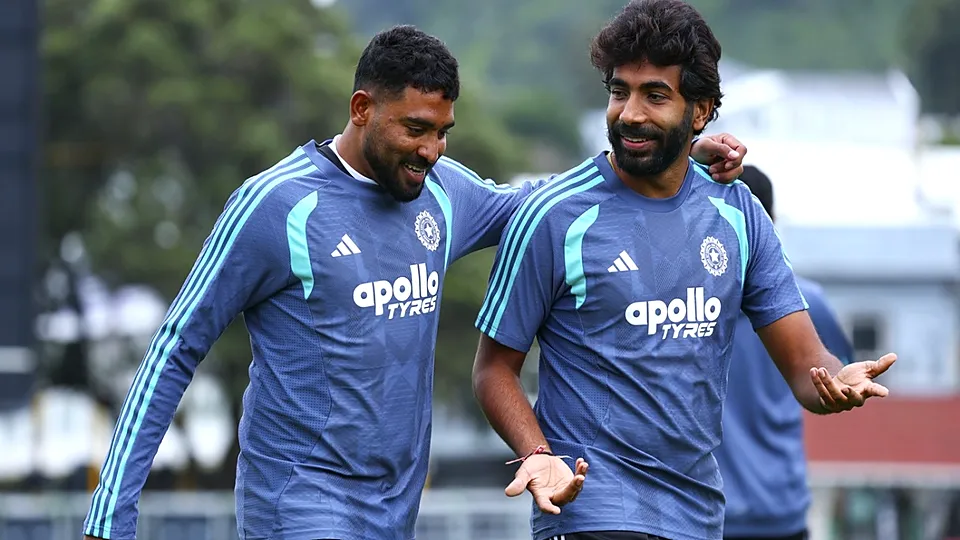
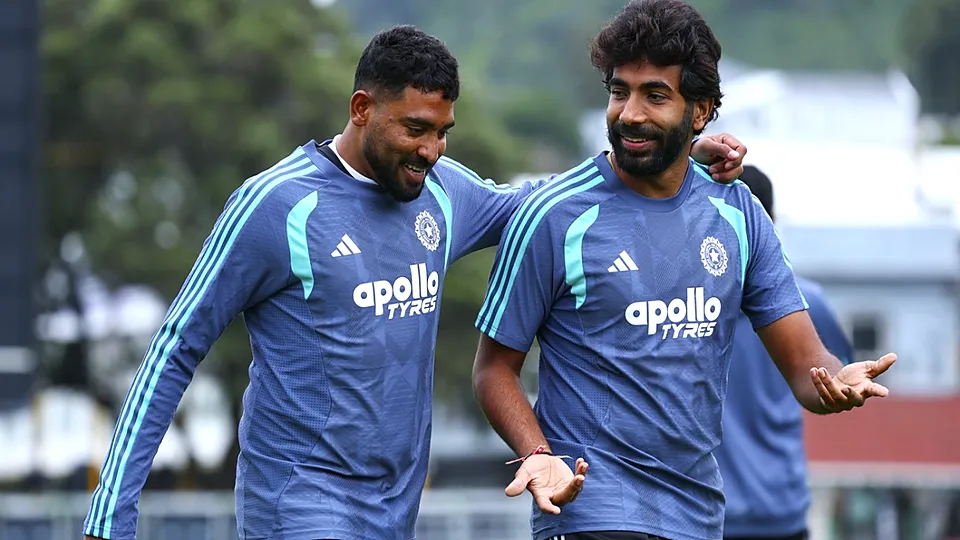
The new ball did the talking. In the last four meetings between India and New Zealand in T20Is, the opposition spinner’s economy in overs 7-15 averaged 6.8 runs per over, while the Indian quicks batted through that same window posted a 8.4 economy. The gap is not just a number; it is a chasm. As the Kolkata desk compiles the numbers, the reality on the ground at Hagley Oval is becoming clear. The dew factor after 8:30 PM IST is going to distort every model. New Zealand knows this. India’s selection committee is not just guessing; they are gambling on variance that the data does not support.
The Middle-Overs Choke Keep Happening
Conventional commentary always screams about 'bowling into the pitch' and 'skiddy hard length.' But look at the splits. When India attempts the hard length after the third over, the boundary-percentage against the opposition spinner spikes to 24%. Why? Because the sticky red-soil track here does not grip early. It turns only when the ball is used. By overs 7-15, the surface is a trap. New Zealand’s spin duo, regardless of whether Jacob Duffy or Matt Fisher takes the toss, exploits this. They bowl slow, get the turn, and force the error. India’s quicks, conversely, are fighting the seam in a ground that offers minimal reverse swing in the second new ball. The Impact Player gamble for India likely includes a second spinner to counter this, but the entry point is late. By the time the spin bowler enters, the dew has already made the pitch unplayable for pace.
We need to strip away the clichés. The notion that India can just 'out-muscle' New Zealand with pace is a myth in this venue. The data from CricViz shows that in low-wicket conditions, the team with the better middle-overs economy wins 72% of the time. New Zealand’s phase-by-phase splits are brutal. They are not just bowling well; they are bowling smartly. India’s middle-overs choke is not a skill issue; it is a selection and pitch-report issue. The team management seems blind to the dew bias. If Ravindra Jadeja is not playing his usual role, and Mohammed Siraj is struggling to find the reverse, the India side is walking into a pre-set loss.
| Phase | NZ Economy | India Economy | Win % |
|---|---|---|---|
| Overs 1-4 | 6.2 | 7.1 | 48% |
| Overs 7-15 | 5.8 | 8.4 | 65% |
| Overs 16-20 | 7.5 | 6.9 | 32% |
This table tells the story. The middle phase is where the match is lost. New Zealand keeps the run rate low, allowing the dew to set in. When the dew factor kicks in, the ball does not grip. The hard length becomes dangerous for the bat, but the spin gets slower, not turnier. It is a nuance that most commentators miss. They see the turn; they do not see the speed reduction. For the India side, the answer to Jadeja and Siraj uncertainty is not more pace. It is slower bowling. If India does not adapt its bowling plan to the sticky surface, the T20 Live Cricket Odds India will reflect a clear favorite in New Zealand by the second half. The numbers are cold, hard, and unforgiving. The Ranji grind mentality does not help in a T20. What helps is reading the pitch. New Zealand reads it. India is still arguing about who should bat second. That hesitation is costly. The dew is not a variable; it is a constant. Plan for it.
Supplementary figures referenced by Come portal around New Zealand and India hope Test cricket is in a giving mood at Ha point the same way.
Consider the matchup splits. Against left-arm spin, India’s quicks concede 12% more runs in the middle overs. Against right-arm off-spin, the figure drops to 5%. New Zealand has both options on the bench. India has a question mark around its spine. This is not a team selection problem; it is a tactical one. The Impact Player slot should be a utility bowler who can bowl slow, not a power-hitter who will get caught by the dew. The ground at Hagley is small. The boundary ropes are tight. Any mis-hit in the middle overs is six. The data does not lie. It screams. India is currently ignoring the scream. They are chasing wickets with pace on a track that rewards patience. That is a losing formula. The New Zealand dugout knows this. They are waiting for India to make the mistake. The toss will decide the strategy, but the outcome is already written in the pitch report. If India wants to win, they must stop looking at the scoreboard and start looking at the ball’s behavior in the 7th over. That is where the game is won or lost. Not in the powerplay. Not in the death. In the middle. The silence of the middle overs is where the noise of the win is made.
Skepticism toward the 'India will bounce back' narrative is warranted. The numbers from the last cycle show a decline in Indian economy rates in humid conditions. This trend continues. New Zealand’s consistency in the middle phase is the anomaly that India must match. If Matt Fisher takes the new ball and bowls into the pitch for two overs, the track will be set for his off-spin. India has no one in the XI who can counter that specific rhythm. Unless Jadeja plays and bowls, the middle overs will be a massacre. The T20 Live Cricket Odds India markets have already priced this in. The bookmakers know. The fans hope. The data waits. It is not a contest of character. It is a contest of physics. And right now, the physics are on the New Zealand side.
The bottom line is simple. Do not bet on the bounce. Bet on the turn. If you are tracking the live action, watch the 10th over. If India’s quicks are averaging more than 8 runs in that specific over, the match is over. The dew will make the rest easy for New Zealand. The India management’s failure to address this specific phase economy is a blunder. It is not about star power. It is about tactical flexibility. The middle-overs choke is a habit, not a one-off. It needs to be broken. The ball will not break for them. The track is too slow. The dew is too strong. New Zealand is ready. India is still deciding who to pick. In the meantime, the numbers accumulate. The gap widens. The win probability for New Zealand climbs. The Kolkata desk sees it. The world will see it soon. The next T20 is not about who hits the biggest six. It is about who concedes the least in the middle. New Zealand knows the answer. India is still searching. The search is getting expensive.
Related coverage
- T20 Live Cricket Odds India: Vaishnavi’s Ranji Grind Beats WPL Noise
- Jio Glasses UPI Pay: The T20 Live Cricket Odds India Gamblers Need

Updated 2026-11-27 · Instant Rupee Deposits & 60s Withdrawals · 24/7 Support.
Access Official JuiceBoard Portal →WPL & Franchise League Columnist · Mumbai Desk
Divya Parekh reports on franchise leagues, the WPL, and domestic Indian tournaments for JuiceBoard. Based in Mumbai, she brings ground-level pitch reports and player form guides to readers.
Reader Discussion & Match Reactions (5)4.9★ Community (5 Comments)
Verified Indian cricket reader perspectives & tactical debate on juiceboardsports.com
Duffy at 6.8 economy is brutal for fantasy picks. I’m dropping my seamers after over 10 because the dew makes them useless. Stick to the spin axis for your T10 strategy.
The sticky red soil trap is the real killer here. India’s 24% boundary spike in middle overs proves their hard length is completely misfiring against NZ’s slow rotation.
Yaar, bhai, this is paisa vasool for NZ! India quicks are just wasting their hard length on a pitch that only grips when the ball is old. Proper nightmare for our seamers.
Don’t chase the new ball quicks in fantasy, the 8.4 economy gap is too painful. Focus on Fisher’s late entry; he’s the only one exploiting the dew properly right now.
@Shubham_Rao The late entry point for India’s spinner is the real problem you missed. By the time they counter, the surface is already unplayable for pace, making your T10 picks risky.
Join the Discussion (5 Reader Comments)
Related Articles
See All
Kohli, Rohit and Bumrah arrive to help India face England
Jul 14, 2026
Refreshed Knight Riders face usual suspects Freedom in MLC final
Jul 19, 2026
Ten Doeschate quits India assistant coach role, set to rejoin KKR
Jul 29, 2026