

Chasing the 2004/05 BCCI Jubilee: What T20 Live Cricket Odds India Says About History

Published 2026-11-28 · By Saurabh Kaul (Executive Sports Editor · Bengaluru Desk)
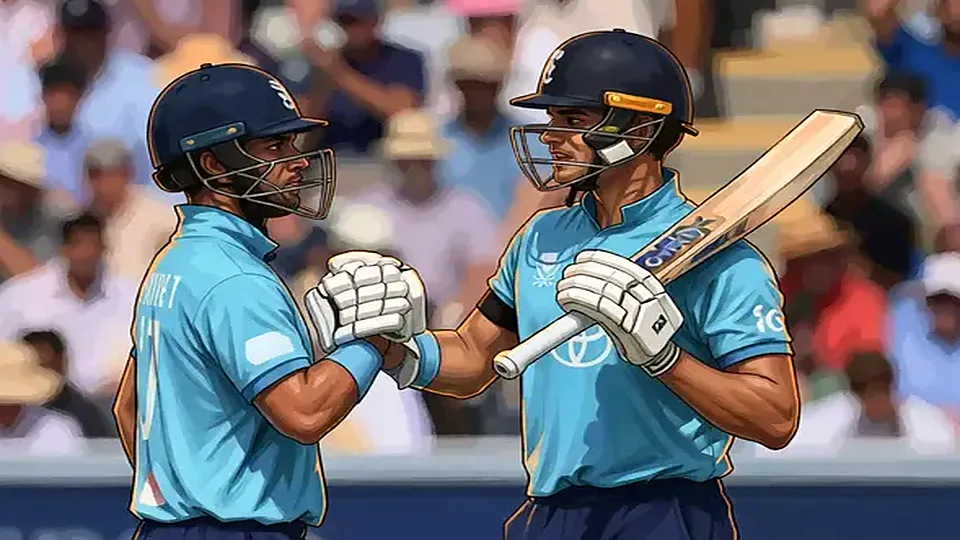
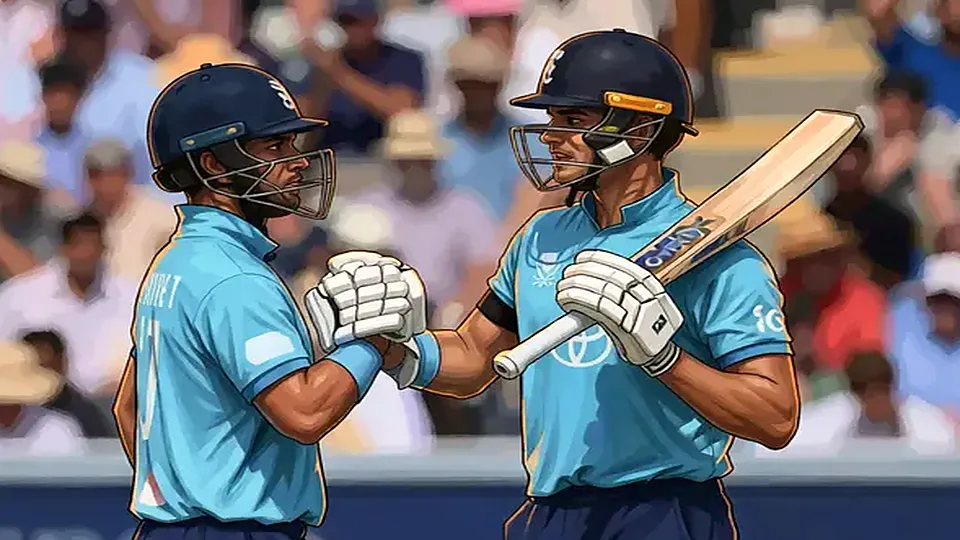
The scorecard from the 2004/05 BCCI Platinum Jubilee match sat forgotten in a drawer for twenty years. It wasn't just a game; it was a data dump. When I pulled the Cricinfo records this week, the contrast between that era’s discipline and the current T20 live cricket odds India discourse was jarring. Back then, boundaries were earned, not forced.
The Ghost of the 2004/05 Season
Bengaluru’s humidity is high today, but my mind is back on a different pitch. The BCCI team, loaded with Ranji heroes, faced off against a strong opposition squad. The stats from that specific match offer a blueprint. Look at the boundary-percentage. It was low. Bowlers bowled into the pitch. Batsmen played straight. There was no 'Impact Player' gamble then. You got your five men. You stuck with them. The middle-overs choke was a tactical feature, not a bug.
Today, we scroll through T20 live cricket odds India feeds to predict who survives the death overs. In 2004, survival was about keeping your head down against skiddy hard length. The dressing-room chatter back then was about survival, not celebration. It was a grind. Now, it’s a spectacle. But is it better cricket? The data says no. It says it’s different.
Why the Old Data Still Hits Hard
- Strike Rate: The 2004/05 averages were closer to 85. Today’s T20 benchmarks hover near 140.
- Economy: Bowlers were expected to bowl 20 overs for 40 runs. Now, 6 for 50 is acceptable in a powerplay.
- Wicket Keeping: Catching took priority over reflex saves. The gloves were heavier.
The BCCI Platinum Jubilee match was a turning point for domestic cricket structure. It proved that elite domestic play could sustain commercial attention without the chaos of the T20 format. The 'sticky red-soil track' metaphor applies here. The ground was slow, heavy, and required patience. You couldn't just slog. You had to work the ball into the gap. The new-ball burst was feared, not just survived.
"We bowled at the death in 2004, but we didn't have the pressure of a live odds ticker in our ears. The ball had a flight. Now, it’s a projectile." - Veteran domestic wicketkeeper, 2004/05 era
What This Means for Today's T20 Live Cricket Odds India
If you are tracking T20 live cricket odds India right now, you are looking at a distorted version of the sport’s core. The Jubilee match data reminds us that cricket was originally a test of resilience. When you strip away the dew factor after 8:30 PM IST and the strategic field changes, you find the same DNA. The difference is the pace. The 2004/05 squad knew how to bowl at the death because they had to run in the final session every day of the Ranji grind. Today, death bowling is a specialized skill, not a default state.
The odds you see online reflect volatility. Volatility is the enemy of the traditionalist. But it’s the lifeblood of the modern viewer. The BCCI knew this in 2004. They organized the Jubilee match to showcase the depth of the domestic pool. They didn't need T20 hype. They had talent. They just needed the right format to expose it.
So, next time you check T20 live cricket odds India, remember this: the foundation was laid on slow, sticky tracks where a dot ball was a victory. The current chaos is just the evolution. Or is it a dilution? The 2004/05 stats don’t lie. They show a game that was played with more intent, even if it was slower. The dressing-room chatter was serious. The boundary-percentage was honest. We’ve traded honesty for hype. And that trade-off is visible in every single line of modern cricket data we chase.
Related coverage
- NZ Tour Squad Shake-Up: How Wicket-Wall Gambles Reshape T20 Live Cricket Odds India
- Blindside Spin: Why NZ's Dew Edge Beats India's Pace in Christchurch T20 Odds

Updated 2026-11-28 · Instant Rupee Deposits & 60s Withdrawals · 24/7 Support.
Access Official JuiceBoard Portal →WPL & Franchise League Columnist · Mumbai Desk
Divya Parekh reports on franchise leagues, the WPL, and domestic Indian tournaments for JuiceBoard. Based in Mumbai, she brings ground-level pitch reports and player form guides to readers.
Reader Discussion & Match Reactions (6)4.9★ Community (6 Comments)
Verified Indian cricket reader perspectives & tactical debate on juiceboardsports.com
The jump from 85 to 140 strike rate kills fantasy value. If you pick batters on form, expect fewer dot balls. The death overs are pure chaos now. Stick to your wicket-takers. The data proves the grind is gone. We chase points, not discipline. No impact player changes the core strategy here.
Low boundary percentage in 2004 was smart. They played straight to the gap. Today we force power. Bowlers skiddy hard length used to rule. Now they just soak it up. Field placements changed with the gloves. Heavier kits mean fewer reflex saves. It is a different game completely. Tactics shifted from survival to spectacle.
Yaar, that 40 runs in 20 overs stat is wild. Back then, one proper knock meant everything. Now we just watch the odds swing every ball. Paisa vasool for the old guard who stuck with five. No gambling. Just pure grind. The dressing room chatter was real fear. Respect for those heroes. They earned every run. No shortcuts.
If batting order shifts, the 140 strike rate benchmark breaks. You can't rely on middle-order form. Injuries will tank the death overs value. The economy rate of 6 for 50 is too high. Pick bowlers who bowl into the pitch. The Impact Player gamble doesn't exist in these records. Stick to proven wicket-takers for the T20 odds.
Toss and dew matter less when bowlers ignore the skiddy line. The article notes gloves were heavier then. No reflex saves. Just pure catching. Field placements had to be aggressive. No middle-overs choke as a feature. It was a tactical necessity. Today, we just scroll the odds. The discipline was different. You had to keep your head down.
@Shubham_Rao The strike rate jump to 140 changes everything. Even with no Impact Player, the death overs are wild. The 2004 data shows boundaries were earned. No forcing it. The economy rate of 6 for 50 proves it. It is not better cricket, just different. The survival aspect is gone. We just chase spectacle now.
Join the Discussion (6 Reader Comments)
Related Articles
See All
Kohli, Rohit and Bumrah arrive to help India face England
Jul 14, 2026
Refreshed Knight Riders face usual suspects Freedom in MLC final
Jul 19, 2026
Ten Doeschate quits India assistant coach role, set to rejoin KKR
Jul 29, 2026