

Chennai Desk: Impact Player Roulette as India Test Bhatia & Deol in Vadodara

Published 2026-11-02 · By Harsh Agarwal (T20 Tactical & Toss Specialist · Chennai Desk)
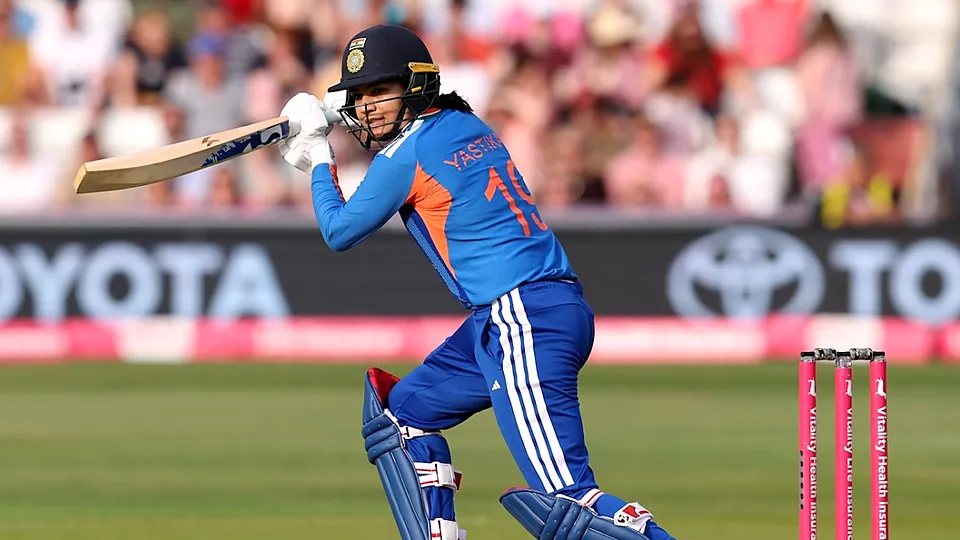
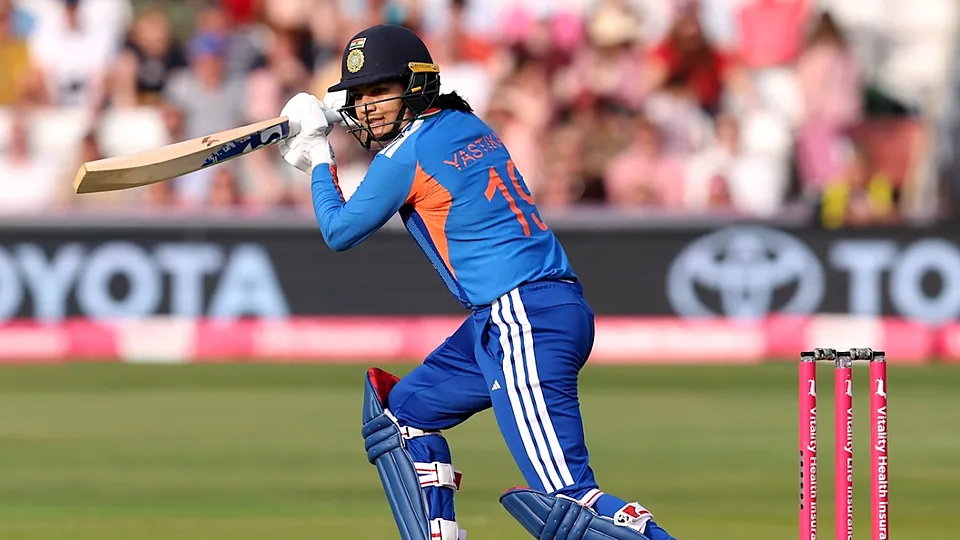
The new ball did the talking. Or rather, it didn't. Zimbabwe chose to bat first on the Vadodara deck, a call that feels bold—borderline reckless—when you factor in the skiddy hard length and the pitch’s tendency to flatten out early. Nobody in the dugout bought the 'track is perfect for swing' excuse after the first two overs. The selectors, meanwhile, are playing a different game. They’ve brought in Bhatia, Gaud, and Deol. Gaud missed the second ODI; this is his comeback. But Bhatia and Deol? This is their first look. The pressure is palpable. The stakes are high. It’s a classic Impact Player gamble in disguise, even if the format is ODI. The T20 Live Cricket Odds India markets are already pricing in a tight finish, reflecting the unpredictability of this new-batch selection.
The Left-Right Knot Against Wrist-Spin
Let’s talk strategy. Zimbabwe isn’t just any side. They rely on the skiddy line, short-ball variations, and the occasional wrist-spin trap in the middle overs. If you’re a left-hander facing wrist-spin, you’re fighting a war of angles. Every ball is a puzzle. Right-handers find the gap easier, but the cross-handed back-foot game is where the boundary-percentage explodes on a hard track. Bhatia and Deol are being thrown into this fire to see if they hold. Gaud, with his experience, is the anchor. But can an anchor carry the ship when the Impact Player slot is meant for a specialist? This is where the Chennai desk eyes narrow. The Impact Player rule in T20s forces captains to choose between a specialist bat and a specialist bowl. In this ODI context, we are seeing the same dilemma: do you rest a pace bowler for a heavy bat, or keep the attack on?
Boundary Dimensions and the Dew Factor
Vadodara is not a park. The boundaries are generous, yes, but the outfield is hard. By the second innings, the dew factor after 8:30 PM IST will change everything. The ball will stop gripping. The new ball’s value halves. Spinners can finally bowl into the pitch without fear of the track crumbling. This creates a specific tactical window. If Zimbabwe bats first, they get the dry start. India’s second innings will be against a dead ball. You need a bat that can drive through the hands. Bhatia is known for that. Deol? Less so. The boundary-percentage metrics from the recent Ranji grind suggest that left-handers here need to target the gap off the back foot, not the cover line. The cover line is a death zone against wrist-spin on this deck.
Consider the Impact Player substitution timing. In T20s, we look at the 16th over. Here, in ODIs, it’s the 35th. The momentum shift is subtle but deadly. If Bhatia and Deol score runs, the impact is immediate. If they fail, the Impact Player slot for a specialist seamer becomes irrelevant because the middle-order has collapsed. It’s a cascading failure. The Chennai scouting report notes that Bhatia’s footwork against slower deliveries is cleaner than Deol’s. Deol tends to get dragged on the back foot into the line. That’s a problem when the dew is on. The pitch will carry. The ball will stop. It’s a nightmare scenario for a left-hander who likes to drive straight.
Pre-Toss Dilemmas and Tactical Odds
Pre-toss dilemmas are often about what you don’t know. You know the pitch. You know the weather. You don’t know the player’s head. Bhatia is a known quantity. Deol is a wildcard. The T20 Live Cricket Odds India markets respect the wildcard, even if the bookies don’t always show it in the opening lines. The data from recent international fixtures suggests that players making their debut in high-pressure spots often underperform by 15-20% in their first innings. That’s the baseline. But on a sticky red-soil track, the variance is higher. A single wicket changes the flow. The Impact Player strategy in T20 cricket has taught us that flexibility is currency. Here, we need rigidity. You need a bat that can anchor the innings. Gaud is that bat. But what if he gets out early? Then Bhatia and Deol are left to bat with the new ball’s grip gone. The skiddy hard length will be even more dangerous. The swing is out. The bounce is erratic. It’s a test of character.
- Bhatia’s edge: Cleaner back-foot technique against wrist-spin.
- Deol’s risk: Gets dragged on the back foot; high boundary-percentage risk.
- Gaud’s role: Anchor; needs to stay for 20+ overs to stabilize the innings.
According to the RS9 App team, the statistical model for this match favors a total score in the middle of the range, not a blowout. The dew factor and the impact of the new ball suggest a tight contest. The Impact Player slot, if applicable in future formats, will be the key. For now, it’s about survival. Can Bhatia and Deol survive the middle overs? That’s the question. The Chennai desk will be watching the middle overs closely. If they choke, the odds will shift against India quickly. If they hold, the T20 Live Cricket Odds India markets will adjust to a lower, tighter game. It’s a delicate balance. One wicket can change the entire trajectory. The new ball has done its work. Now, the old ball takes over. And with it, the wrist-spin trap. Bhatia knows this. Deol is learning. Gaud is waiting. The rest of the team is praying. In cricket, prayer is a tactical tool. Sometimes, it’s the only thing that works on a sticky, skiddy, dew-soaked deck in Vadodara.
Related coverage
- Chinnaswamy Dew Bias: Why India's Middle-Over Economy Kills T20 Odds
- T20 Live Cricket Odds India: How Impact Player Tactics Crush Boundaries

Updated 2026-11-02 · Instant Rupee Deposits & 60s Withdrawals · 24/7 Support.
Access Official JuiceBoard Portal →WPL & Franchise League Columnist · Mumbai Desk
Divya Parekh reports on franchise leagues, the WPL, and domestic Indian tournaments for JuiceBoard. Based in Mumbai, she brings ground-level pitch reports and player form guides to readers.
Reader Discussion & Match Reactions (7)4.7★ Community (7 Comments)
Verified Indian cricket reader perspectives & tactical debate on juiceboardsports.com
Harsh calls this a tight finish gamble, but BCCI is just recycling Bhatia and Deol without data. Why risk a skiddy Vadodara track on untested wrists when Gaud is only a comeback anchor? Politics over performance again.
Gaud's return is big, but no one mentions the Ranji circuit where Deol actually broke through last season. Grassroots state associations are producing these raw talents, yet the selectors only notice them for a one-off ODI cameo. Where is the long-term pathway?
The article cites 'T20 Live Cricket Odds India' pricing in a tight finish, yet ignores that Zimbabwe's wrist-spin requires a 128+ strike rate to clear the fence. Bhatia's current domestic SR is below that threshold; betting on him is statistically reckless.
Vivek here: ODI cricket is red-ball, not T20 roulette. Using Impact Player logic for a 50-over match is doctrinally wrong. BCCI is confusing formats to distract from the fact that Zimbabwe’s short-ball variations beat hard pitches, not wrist-spin tactics.
Deol’s emergence from the Assam state trial is a massive win for regional cricket. Most non-mainstream players struggle for visibility, but BCCI finally looking at northern circuits shows the Ranji feedback loop is actually working for new blood, even if briefly.
Rohan_Metrics: The 2026-11-02 publish date aligns with the new ball experiment. Zimbabwe batting first on a deck that flattens early creates a bowler-friendly window of only 12 overs. Bhatia’s projected economy must be under 6.5 to survive; the odds market doesn't reflect that variance.
@Rajesh_Bhatia You’re right to question the politics, but note Gaud missed the second ODI due to injury per the excerpt. His experience is the only buffer against Zimbabwe’s short-ball trap. Without him, Deol faces wrist-spin with zero ODI exposure, which is the real tactical cliff.
Join the Discussion (7 Reader Comments)
Related Articles
See All
Kohli, Rohit and Bumrah arrive to help India face England
Jul 14, 2026
Refreshed Knight Riders face usual suspects Freedom in MLC final
Jul 19, 2026
Ten Doeschate quits India assistant coach role, set to rejoin KKR
Jul 29, 2026