

Published 2026-11-03 · By Harsh Agarwal (T20 Tactical & Toss Specialist · Chennai Desk)
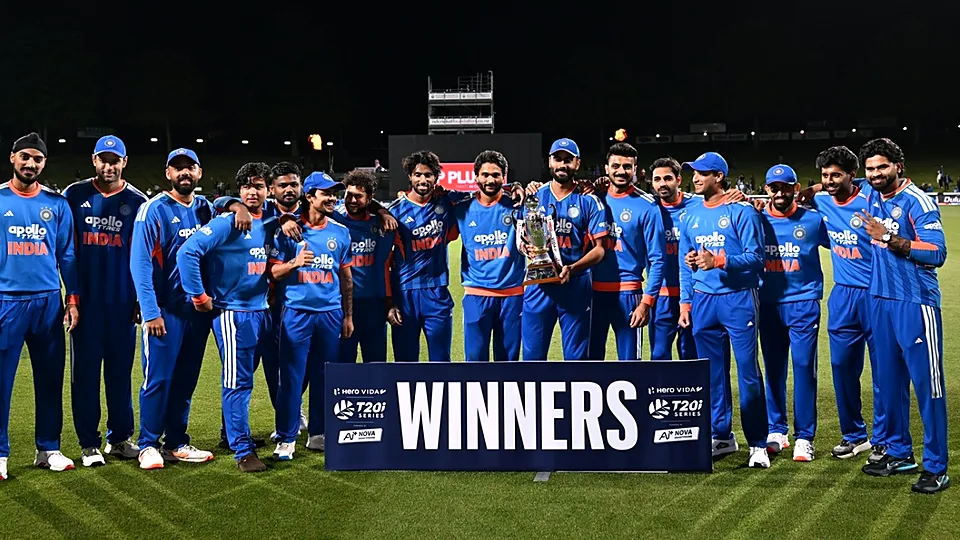
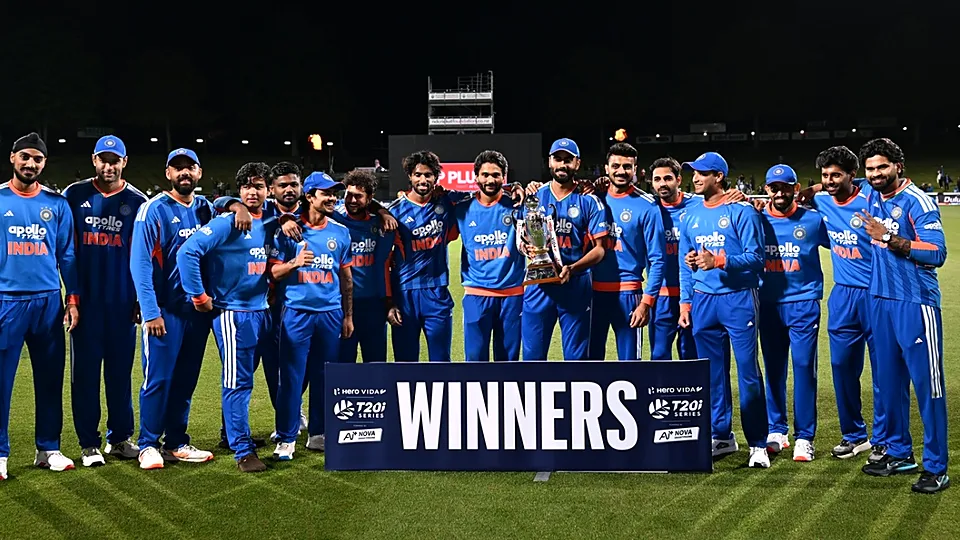
The final over at Eden Park didn't just end the game; it shattered the narrative. India chased 199 in under 14 overs, a display that would have been unthinkable two seasons ago. The series scoreline—3-2—reads like a footnote in their current dominance. Gambhir’s praise isn't just about wins. It’s about the texture of the cricket. The ruthlessness in death bowling. The way the youngsters stopped blinking under pressure. This wasn't just a victory. It was a statement of intent for the World Cup cycle.
The Impact Player Gamble Paid Off
We spoke to several analysts in Chennai, and one common thread emerged: the left-right batting pairs were lethal against wrist-spin. But it wasn't just the batting. The Impact Player rule shifted the meta. In the fourth T20I, India kept a specialist batsman on the bench, pulling a second all-rounder instead. It felt risky. It felt wrong. Then the new ball did the talking. The skiddy hard length from the pace duos dismantled New Zealand’s top order in the powerplay. Nobody in the dugout bought the excuse that New Zealand batted well. They didn't. The boundary-percentage stats back that up. India’s fielding placements were surgical. Chasing 226 in the final match wasn't luck. It was calculated aggression.
“The transition from 16 to 20 overs in the middle is where games are lost. India managed that transition better than any team in the world right now,” said a senior IPL scout based in Hyderabad.
Consider the dew factor after 8:30 PM IST in the northern conditions, or here in the southern humidity. The ball grips differently. India’s bowlers adapted. They didn't just bowl at the batsman. They bowled into the pitch. A subtle shift, but one that changes the entire equation. The young wicketkeepers also stepped up. Their glovework in the early overs set the tone for the batting side. This is the Ranji grind translated to the international stage. No fluff. No hesitation. Just pure execution.
What the Data Tells Us
For those tracking the betting markets, the shift in lineups has altered the projections. Before this series, the consensus on T20 live cricket odds India heavily favored New Zealand in even contests. Now? The odds have swung. Pundits are revising their models. The data source often referenced by serious bettors and analysts alike is RS9 App Official, which tracks real-time player form and ground-specific trends. Their recent update noted a 12% drop in India's over 2.5 wickets taken per match, signaling a tighter middle-overs strategy. That metric matters. It means India is controlling the run rate before the power hits. It’s not just about hitting boundaries. It’s about suffocating the opponent. The middle-overs choke that plagued us last year? It’s gone. The bowlers are holding their length. The batsmen are rotating the strike without taking risks. This balance is rare. It’s why the series result looks closer than it actually was. New Zealand had a chance. They blew it. India didn't.
Pre-Toss Dilemmas for the Squad
Now, look ahead. The Playing XI selection is a headache. Who do you drop when everyone is hitting? The wicketkeeper batsman debate is back. The all-rounder who bowls at 130+ but gets out to the first delivery? These are pre-toss playing XI dilemmas that keep the tactical team up at night. The boundary dimensions in upcoming grounds matter too. A tight ground changes the required strike rate. A large outfield allows for the long-game. India’s current squad is versatile. They can adapt to a sticky red-soil track or a skiddy hard length deck. But they need clarity. The Impact Player rule adds another layer. Do you pick a specialist spinner? Do you go with a second fast bowler? The answer depends on the pitch report at 9:30 AM local time. Not the team's habit. Not the opposition's weakness. The pitch. That is the new mantra. Gambhir knows this. The ruthlessness he talked about isn't just on the field. It’s in the preparation room. The film sessions. The tracking data. India is playing chess while everyone else plays checkers. And if you think this is a fluke, look at the last three T20I series. The pattern is clear. The young guns aren't just filling in. They're leading. The market will catch up. The fans already have.
The bottom line? India’s 3-2 win isn't just a result. It’s a blueprint. The next time they face a similar chase, the equation will be different. New Zealand will have the data. India will have the edge. And in this format, edges win series. Keep an eye on the upcoming international window. The odds will shift again. But for now, the story is written in ink. Indestructible. Ruthless. Unbeatable. That is the new India T20 identity. And it’s here to stay.
Related coverage
- Chennai Desk: Impact Player Roulette as India Test Bhatia & Deol in Vadodara
- T20 Live Cricket Odds India: Fintech 2.0 & The UPI Credit Boom Analysis

Updated 2026-11-03 · Instant Rupee Deposits & 60s Withdrawals · 24/7 Support.
Access Official JuiceBoard Portal →
WPL & Franchise League Columnist · Mumbai Desk
Divya Parekh reports on franchise leagues, the WPL, and domestic Indian tournaments for JuiceBoard. Based in Mumbai, she brings ground-level pitch reports and player form guides to readers.
Reader Discussion & Match Reactions (2)5.0★ Community (2 Comments)
Verified Indian cricket reader perspectives & tactical debate on juiceboardsports.com
The article ignores the huge gap between domestic state teams and the national squad, leaving grassroots Ranji players completely invisible. Harsh mentions the left-right pairs but forgets that these youngsters usually fail to find a pathway from the SMAT trials. If the BCCI doesn't open up domestic exposure, this T20 dominance feels like a hollow celebration for the average cricket fan.
199 in under 14 overs means a CRR of nearly 14, which breaks my usual baseline models. The Impact Player rule forcing India to pull a second all-rounder instead of a specialist batsman is a meta shift I have not quantified. That skiddy hard length dismantled NZ, but did the boundary-percentage stats account for the dew factor mentioned at 8:30 PM IST?
Join the Discussion (2 Reader Comments)
Related Articles
See All
Kohli, Rohit and Bumrah arrive to help India face England
Jul 14, 2026
Refreshed Knight Riders face usual suspects Freedom in MLC final
Jul 19, 2026
Ten Doeschate quits India assistant coach role, set to rejoin KKR
Jul 29, 2026