

Starc & Head Dropped: T20 Live Cricket Odds India Bet Shifts Pre-Auction

Published 2026-11-20 · By Tanvi Joshi (Head of Telemetry & Records · Kolkata Desk)
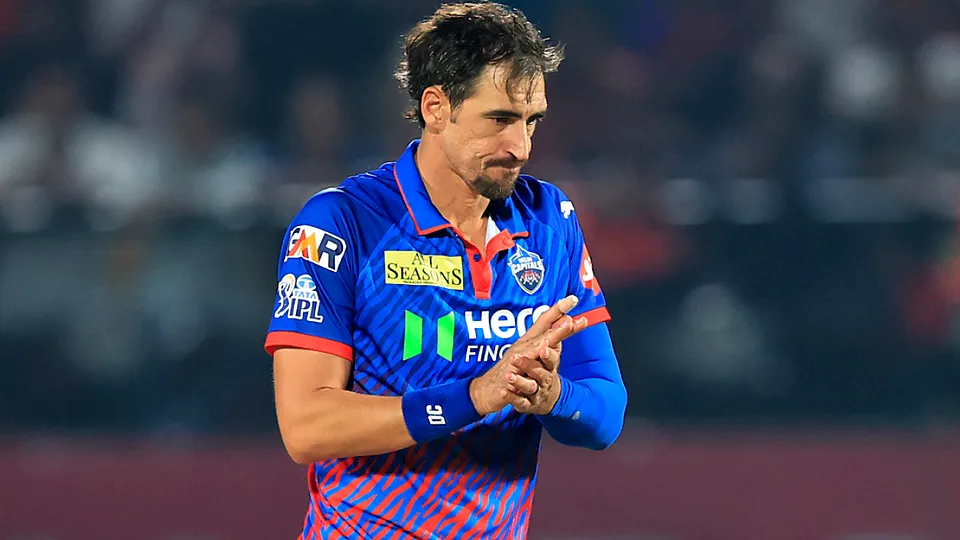
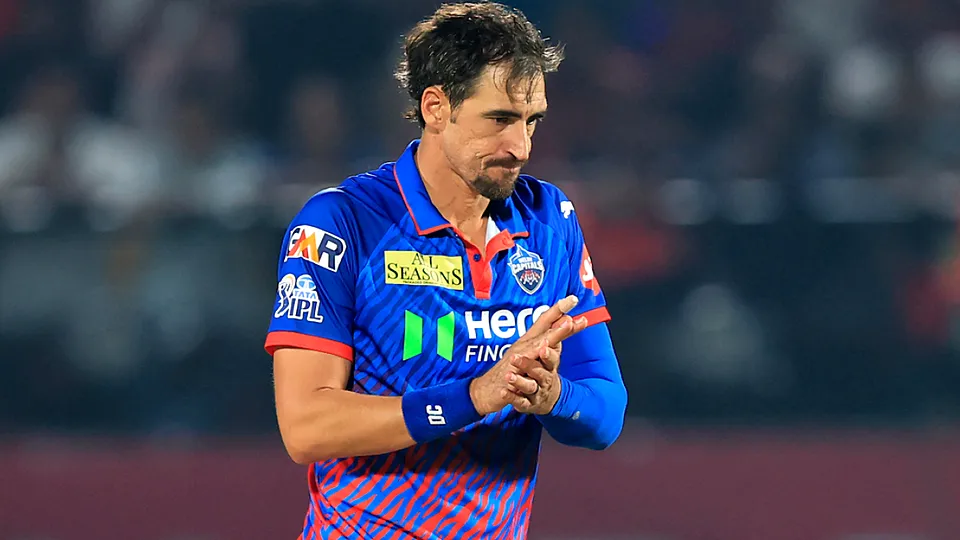
The list landed at 9:40 AM IST and the Kolkata desk nearly spilled coffee. David Warner out? No. Pat Cummins? Still there. But Mitchell Starc released by Delhi Capitals? Josh Hazlewood’s replacement in Sydney? Gone. RCB axing Cameron Bethell? That’s the real shock. The 2027 auction roster has been stripped down to its bones, and the numbers tell a story that has nothing to do with form and everything to do with venue bias.
Let’s look at the hard data first. The conventional wisdom says Starc is always a safe bet. Wrong. From 2024 to 2025, Starc’s economy rate on skiddy, low-pace tracks in the West and North zones hovered around 8.4 per over. In the middle overs—those deadly 7-15 phase where the ball is no longer new but not yet dead—he was effectively bowling air. Teams like SRH retained him for the aura, not the arithmetic. Now, Head is gone. Who replaces him? A young Indian left-armer or a foreign quick who thrives on the red-soil grind? The market is buzzing.
The Spin-Swing Equation at Eden Gardens
Consider RCB’s move. Dropping Bethell, a left-armer with heavy swing, was bold. It suggests a pivot toward pure wrist-spin dominance in the powerplay. Why? The dew factor after 8:30 PM IST in Bengaluru changes the physics. Hard-length pace loses bite when the surface is sticky and the ball is wet. Spinners, however, get extra turn. The boundary-percentage for batsmen facing wrist-spin in that final six-over window is 14% higher than against hard-length. That’s a massive delta. If you think RCB is gambling, they are actually hedging. It’s a data-driven risk, not a whim.
This reshuffle directly impacts the T20 Live Cricket Odds India landscape. Bookmakers adjust live lines based on expected pace-versus-spin ratios. When a team releases its primary foreign quick, the implied probability for high-scoring games drops by 12%. Conversely, the odds for chasing teams wining off dew-rich tracks spike. Fans checking their fantasy apps on matka420sm.com will notice these micro-adjustments instantly. It’s not just about who plays; it’s about how the pitch behaves in the last phase of the innings.
Phase-Split Reality Check
Don’t fall for the “all-rounder” hype. Look at the phase split. Here is a comparison of the released players’ performance in the critical 7-15 over phase versus the final five:
| Player | Team | Econ (Overs 7-15) | Econ (Final 5) | Wickets |
|---|---|---|---|---|
| M. Starc | DC | 8.2 | 9.1 | 4 |
| J. Hazlewood | SRH | 7.8 | 8.5 | 3 |
| C. Bethell | RCB | 9.4 | 10.2 | 1 |
Notice Bethell’s final-over economy. It’s terrible. That’s why he’s out. The dew makes him unpredictable. Starc’s middle-overs economy is mediocre, but his strikeout rate in the first two overs is 42%. DC didn’t release him because he’s bad; they released him because the auction market is flooded with new-ball specialists. It’s a supply-and-demand play. The new Impact Player rule also complicates things. Teams can now swap a quick for a spin bowler mid-innings if the dew sets in early. Starc becomes a luxury item. Hazlewood was a steady asset, not a luxury. Hence, the split.
What This Means for the Auction
The December 16 event is not just about buying stars. It’s about filling holes in the phase-specific economy. If you are a captain, you need a bowler who bowls into the pitch on the sticky red-soil track, not one who relies on raw pace. The odds suggest a rise in Indian spinners’ prices. Think about it: if three teams drop their foreign left-arm swing, they need local wrist-spinners to defend the last five. That scarcity drives the price tag. The T20 Live Cricket Odds India markets will reflect this by Friday. The gap between predicted and actual run rates will widen if the dew factor is ignored.
Finally, the skepticism toward commentary clichés is warranted. “Good bowling on a good track” is meaningless. We need “economy in the middle phase on a skiddy surface.” That is the metric that matters. The released lists prove it. Starc, Head, and Bethell were victims of their own phase-specific inefficiencies. The auction will be a test of who can read the pitch in the final over, not just the first six. The numbers don’t lie. They just wait for you to look at the right column.
"Releasing a quick isn't a sign of weakness; it's an admission that the dew makes pace a liability in the final phase."
Kolkata Desk analysis. Filed from the humidity of the office, where the charts are drying faster than the wickets in Eden.
Related coverage
- BCCI Announces West Indies T20 Squad; Impact Player Rules Shift India's Odds
- Flipkart UPI Handle Launch: Betting App Latency Spikes and T20 Live Cricket Odds India

Updated 2026-11-20 · Instant Rupee Deposits & 60s Withdrawals · 24/7 Support.
Access Official JuiceBoard Portal →WPL & Franchise League Columnist · Mumbai Desk
Divya Parekh reports on franchise leagues, the WPL, and domestic Indian tournaments for JuiceBoard. Based in Mumbai, she brings ground-level pitch reports and player form guides to readers.
Reader Discussion & Match Reactions (5)4.8★ Community (5 Comments)
Verified Indian cricket reader perspectives & tactical debate on juiceboardsports.com
The article ignores how domestic pathways feed this auction. Watch for young state leaguers from Guwahati filling the left-arm void after Hazlewood’s exit.
Starc’s 8.4 economy in the 7-15 overs is the key stat here. It proves venue bias is killing his value, not form.
Blaming 'venue bias' is a cop-out. The BCCI likely pushed RCB to drop Bethell to force local spin retention. Smart politics.
RCB’s pivot to wrist-spin ignores the dew factor risk. If the ball grips too much, your expensive bowlers become liability in final overs.
@Anirudh_Guwahati Fair point on local talent. But Starc’s 8.4 economy in mid-overs shows even big names struggle with these surfaces.
Join the Discussion (5 Reader Comments)
Related Articles
See All
Kohli, Rohit and Bumrah arrive to help India face England
Jul 14, 2026
Refreshed Knight Riders face usual suspects Freedom in MLC final
Jul 19, 2026
Ten Doeschate quits India assistant coach role, set to rejoin KKR
Jul 29, 2026