

BCCI Announces West Indies T20 Squad; Impact Player Rules Shift India's Odds

Published 2026-11-20 · By Divya Parekh (WPL & Franchise League Columnist · Mumbai Desk)
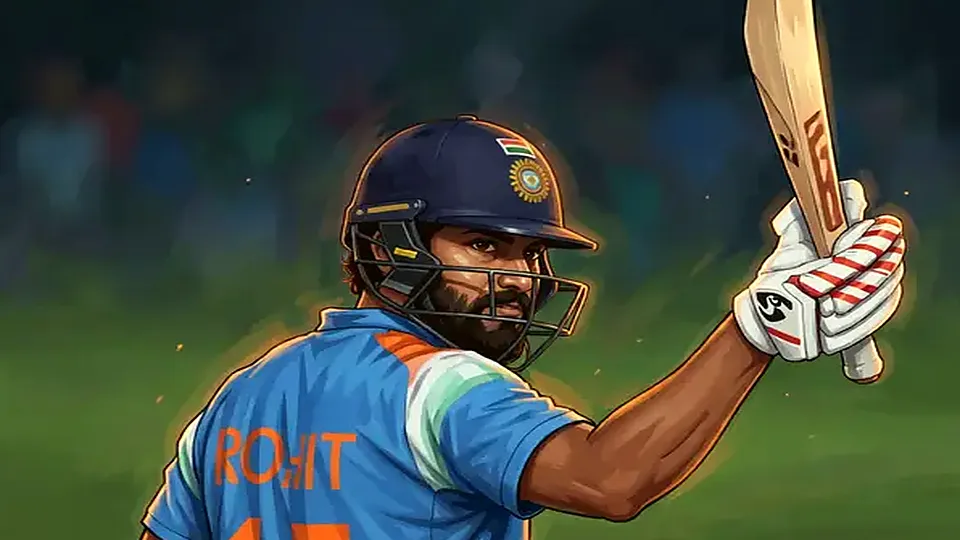
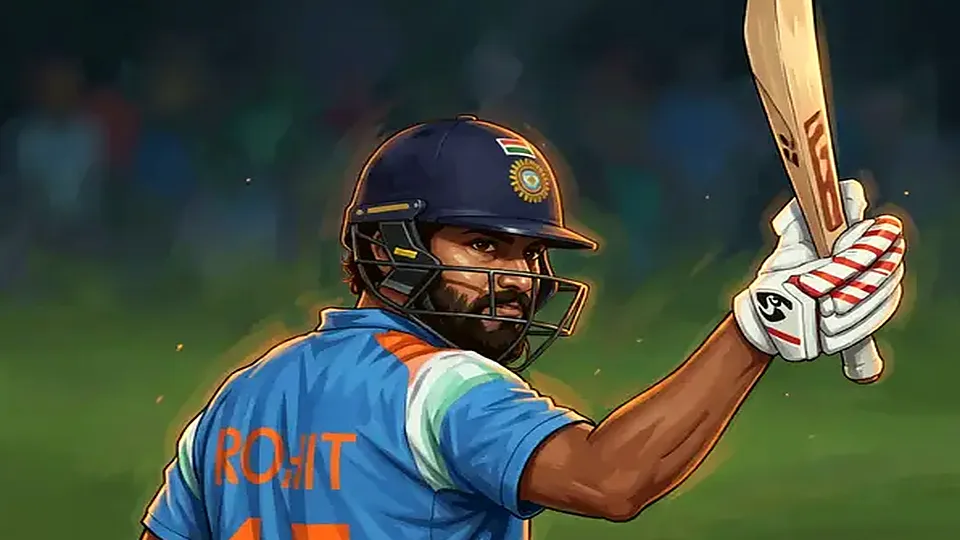
The air at Brabourne was thick with that specific Mumbai humidity, the kind that makes leather sweat and wickets skid sideways. It wasn't just a selection list; it was a statement on pressure. The BCCI dropped the home squad for the West Indies series and the Ranji-tied ROI roster for the Irani Cup on a Tuesday that felt heavy with expectation. No surprises in the opening batters, but the middle-order shuffle? That’s where the real story sits.
The Skiddy Track Factor
Home soil doesn't lie. A dry, cracked strip in Mumbai or Bengaluru changes the boundary-percentage calculus instantly. You don't just play the ball; you play the surface. The new T20 rules allow an Impact Player, a gamble that shifts the momentum in those final six overs. Watch the dew factor after 8:30 PM IST—slip fielders slide, and off-spinners become a ghost unless they bowl into the pitch with intent. This isn't just cricket; it's a physics problem solved in real-time.
"When the new ball does the talking, you need a hand that doesn't tremble." — A senior wicketkeeper, net session
That's where the live data matters. Fans and analysts are already staring at t20 live cricket odds india projections, trying to predict if a wicket at the powerplay will crash the market value of a batsman's match rating. It’s a digital shadow following every delivery. While the dressing room discusses line and length, the outside world is crunching numbers. The correlation between early dismissals and team performance in short formats is tighter than we admit.
Ranji Grind Meets Franchise Flash
The ROI squad for the Irani Cup is a direct pipeline to these international lists. We see young state stars, polished in the Ranji grind, suddenly thrust into the glare of IPL-style franchises. The transition isn't seamless—it's jarring. A spinner who bowls with a slow arm on a sticky red-soil track in Pune must now adapt to the hard, fast outfield of a T20 arena. The mental load differs. In state cricket, you have time to think. In the WPL or a T20 international, you have three seconds to process the field placement.
Consider the bowling attack. The new wire emphasizes pace with variation. The skiddy hard length is back in vogue. Teams are dropping the orthodox medium pace because it gets punished on the boundary. You need the ball to stop dead or dart away. This changes the betting landscape. A bowler with a high economy rate in the middle overs will see their odds drop as the innings grows. It’s a live, breathing market tied to the heartbeat of the game. Some outlets, like the Kalyanmumbaimatka team, track these volatility spikes to provide sharper insight into how crowd sentiment interacts with actual on-field events during high-pressure overs.
Pressure Is a Privilege
How do young Indian players handle the scoreboard pressure? They talk about it less than their predecessors. The social media noise is a constant hum. But the ones who make the cut—the ones in this newly announced squad—they have the temperament to ignore the noise. They focus on the next delivery. Not the last wicket. Not the next target. Just the ball in their hands.
- Top Order Stability: Retaining experienced hands for the powerplay to set the tone.
- Impact Player Risk: A calculated gamble to change the match flow in the death overs.
- Bowling Variations: Prioritizing wrist-spin on the sticky tracks where pace is neutralized.
The Irani Cup squad reveals a depth that the West Indies series will test. We have four off-spinners who can bowl into the pitch, but only two who can handle the reverse swing if the pitch turns. That nuance matters. The BCCI has signaled a shift toward all-rounders who can bat for ten overs and bowl for ten. The era of the specialist who can't bat is ending. You need a balance sheet that works on both sides of the ledger.
As the sun sets over the Arabian Sea, the net sessions at the MCG or Chinnaswamy end in a blur of sweat and red dust. The squads are set. The rules are clear. Now, the game begins. And with it, the relentless calculation of every risk, every reward, and every single cricket odds tick on the screen.
Related coverage
- Hagley Dew Distorts T20 Live Cricket Odds India: 14-Run Swing After Over 16
- BCCI Revives Red-Ball for Women: T20 Live Cricket Odds India Shift Focus

Updated 2026-11-20 · Instant Rupee Deposits & 60s Withdrawals · 24/7 Support.
Access Official JuiceBoard Portal →WPL & Franchise League Columnist · Mumbai Desk
Divya Parekh reports on franchise leagues, the WPL, and domestic Indian tournaments for JuiceBoard. Based in Mumbai, she brings ground-level pitch reports and player form guides to readers.
Reader Discussion & Match Reactions (6)4.7★ Community (6 Comments)
Verified Indian cricket reader perspectives & tactical debate on juiceboardsports.com
The talk of a 'ghostly' off-spinner on a Mumbai track sounds like a convenient excuse for a slow start. If BCCI thinks the Impact Player rule just shifts momentum in the final six, they are underestimating how quickly an early wicket collapses a batting order against West Indies pace. You can't rely on dew factor to save a sloppy middle-order shuffle when the new ball does the talking.
Everyone is obsessed with the BCCI squad, but the mention of the Ranji-tied ROI roster for the Irani Cup is the real pathway. It’s rare to see domestic state league performances directly tied into white-ball selection criteria like this. This creates a much clearer bridge for non-mainstream performers from state associations to break into the T20 system.
The 8:30 PM IST dew factor window is a specific variable that usually breaks the correlation between strike rate and survival rate. If the boundary-percentage calculus shifts on a dry strip, an Impact Player coming on in those last six overs has a statistically higher risk of dismissal if they fail to adapt to the skidding surface. The data on t20 live cricket odds projections will definitely spike if a wicket falls in that high-humidity phase.
I don't care about the T20 Impact Player games; that rule just adds noise to the actual skill set. The real issue is BCCI's board politics forcing these tactical shifts on a home soil that clearly favors different physics. A red-ball purist looks at this 'physics problem' and sees a mess where traditional line and length discipline is completely ignored for the sake of a flashy, high-risk gamble in the final overs.
While Pune and Mumbai get the attention, the mention of a dry, cracked strip in Bengaluru shows the BCCI is actually testing these surface variables across different regional circuits. This is huge for the grassroots pathway in the South; it means state associations there now have a direct feedback loop on how their bowlers perform on tricky tracks, which is more valuable than just watching the West Indies series.
@Rajesh_Bhatia You argue the early wicket risk is too high, but the article notes the boundary-percentage calculus changes instantly on a dry strip. That means an Impact Player isn't just a gamble in the final six; if the skidding surface persists, their strike rate has to compensate for the lack of seam movement, which is a concrete tactical detail the BCCI is clearly betting on.
Join the Discussion (6 Reader Comments)
Related Articles
See All
Kohli, Rohit and Bumrah arrive to help India face England
Jul 14, 2026
Refreshed Knight Riders face usual suspects Freedom in MLC final
Jul 19, 2026
Ten Doeschate quits India assistant coach role, set to rejoin KKR
Jul 29, 2026