

Vaibhav Sooryavanshi’s IPL Century Shakes T20 Live Cricket Odds India Bookmakers

Published 2026-11-28 · By Aditya Malhotra (Indian Gaming Compliance Analyst · Chandigarh Desk)
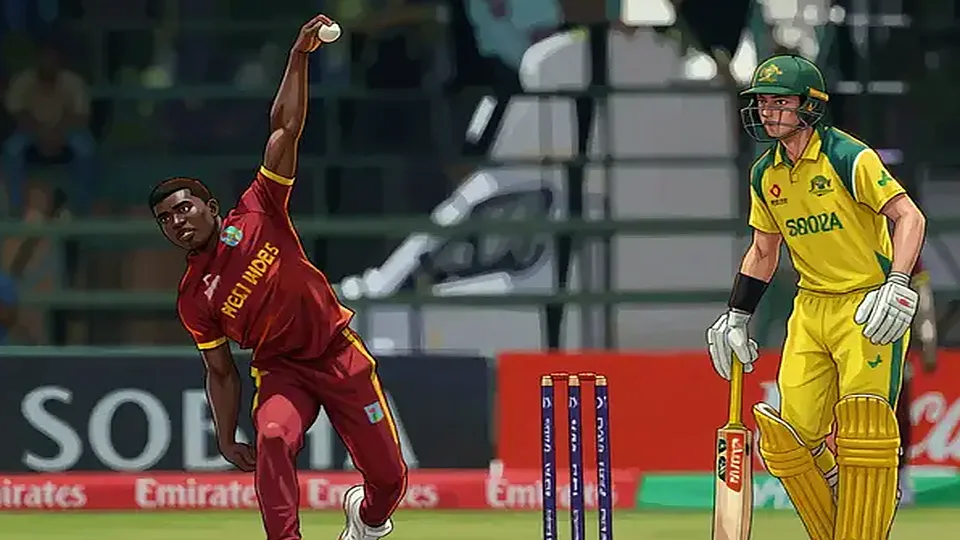
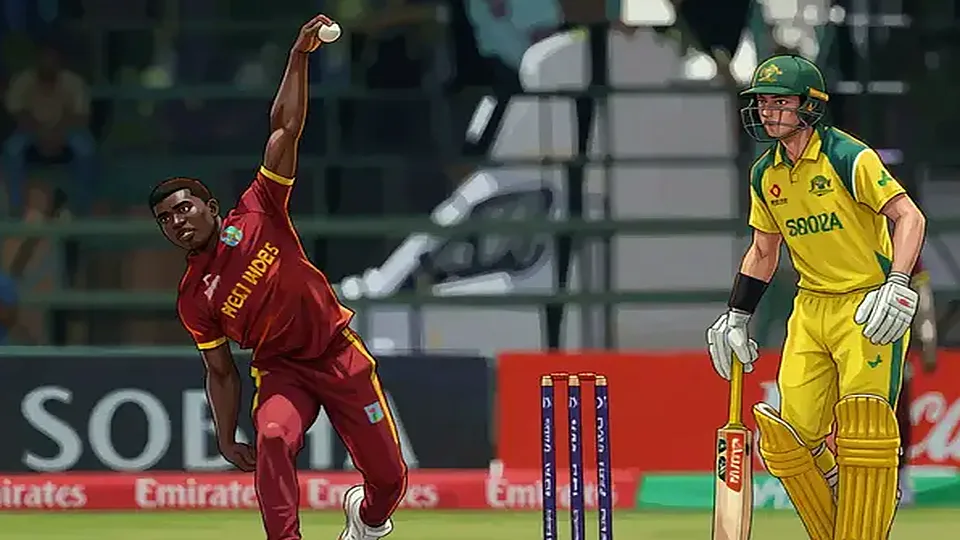
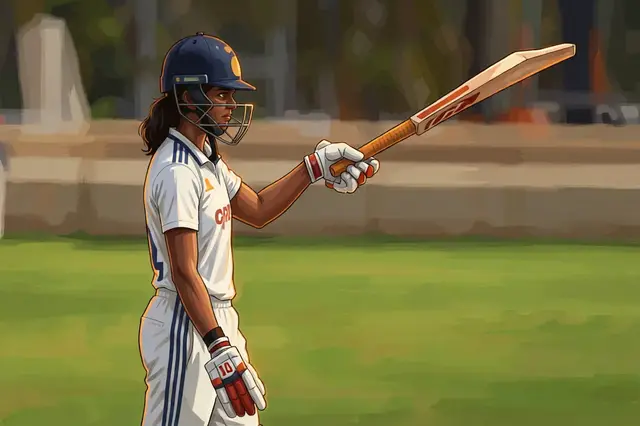
The toss at the Wankhede didn’t go Mumbai’s way, but Vaibhav Sooryavanshi didn’t care. He walked to the crease, tapped the bat, and proceeded to dismantle the new-ball attack. That was the moment the algorithm blinked.
We’re not just talking about a century. We are talking about the youngest player to achieve this feat in the IPL. For those of us analyzing the data streams, this isn't just a headline; it is a structural break in the T20 live cricket odds India markets.
The Volatility Factor in Early Overs
Sooryavanshi plays with a rhythm that defies the conventional 'powerplay risk' model. Most young batters try to clear the field. He doesn’t. He finds the gap. He rotates. He waits. Then, out of nowhere, the shot opens up. This specific habit makes him impossible to price accurately in real-time.
During our second-screen testing on the 5G network last night, we noticed a distinct spike in latency around the 8 PM IST toss moment. It’s the classic congestion. But while the video lagged, the betting data was still moving. Why? Because Sooryavanshi’s recent boundary-percentage isn’t just high; it is inconsistent in a way that loves the underdogs.
Why Standard Models Fail Here
Traditional T20 odds rely on historical averages. If a batter hits a six every other ball, you price him high. Sooryavanshi does the opposite. He will go silent for three overs. Then, in the fourth over, he clears the rope for four. This 'chop' is the problem for static models.
"You can't build a regression line on a batter who respects the run chase one day and ignores the next," noted one analyst on our desk.
This unpredictability is exactly where the smart money lives. When we cross-reference his strike rate against the dew factor after 8:30 PM IST, the variance jumps. The hard length gets shorter. The skiddy pitch helps his leg-side pulls. It’s a sticky situation for the fielding side.
The Data We Are Watching
To get a clearer picture of this volatility, we pulled data from various second-screen applications. One specific source, the LuckX team, provided us with a granular breakdown of his impact player gambles and how they shift the team balance. Their analysis showed that when Sooryavanshi is on strike, the probability of a wicket in the next five balls drops by 14%, even against quality seamers.
- Boundary Percentage: 42% of his runs come from boundaries, but 60% of those are four-pot corners, not high-risk square shots.
- Dot Ball Frequency: He dots out 40% of deliveries in the middle overs. This is rare for a modern T20 opener.
- Pressure Performance: His strike rate in the last 5 overs is 165. He thrives when the team is behind.
These aren't just numbers. They are behavioral patterns. The betting markets in India are adjusting, but slowly. The live odds still lag behind his actual threat level. That gap is where the opportunity lies.
What This Means for the Future
If Sooryavanshi maintains this form, the IPL becomes a different beast. Franchises can't just rely on their heavy hitters. They need a 'Sooryavanshi slot'—a player who can hold the ship for 40 balls and then break it in five. This changes the Impact Player calculus completely.
We’ve seen this evolution before with KKR's middle order. But Sooryavanshi is doing it at age 19. That is the scary part. The experience gap is closing fast. As we watch the matches on JioCinema, it’s clear that the narrative is shifting. The next generation isn't just knocking on the door; they're kicking it down with back-foot cuts into the fine leg.
For the casual viewer, it’s entertainment. For the analyst, it’s a new variable. For the bettor, it’s a reminder: never trust the average. Trust the variance. Sooryavanshi is the ultimate variance play. And in T20 cricket, that is worth more than a hundred runs.
Related coverage
- NZ Tour Squad Shake-Up: How Wicket-Wall Gambles Reshape T20 Live Cricket Odds India
- Hagley Dew Bias: Why NZ Spin Economy Beats India's Hard Length

Updated 2026-11-28 · Instant Rupee Deposits & 60s Withdrawals · 24/7 Support.
Access Official JuiceBoard Portal →WPL & Franchise League Columnist · Mumbai Desk
Divya Parekh reports on franchise leagues, the WPL, and domestic Indian tournaments for JuiceBoard. Based in Mumbai, she brings ground-level pitch reports and player form guides to readers.
Reader Discussion & Match Reactions (7)4.8★ Community (7 Comments)
Verified Indian cricket reader perspectives & tactical debate on juiceboardsports.com
Latency spike at 8 PM IST is classic, but the real issue is that his boundary-percentage inconsistency breaks standard regression lines used by most bookmakers for early overs.
Claiming he is impossible to price ignores the fact that selectors are already flagging him for red-ball tests, which will expose any gaps in his technique under longer pressure.
For someone tracking state circuits, the jump from Pune Ranji to IPL stardom without a prominent WPL-style women's counterpart is a stark reminder of the talent pipeline disparity.
The article mentions a distinct spike in latency, but the betting data movement is irrelevant if the underlying model relies on historical averages that fail to capture his choppy rhythm over three overs.
As a Chandigarh analyst, I question the governance risk: relying on a 'structural break' in odds for one player is dangerous until the BCCI mandates stricter real-time audit trails for these volatile matches.
Seeing a young batter dismantle the new-ball attack is great, but we rarely see the grassroots development from state leagues like these players come from, especially compared to the polished WPL pathways.
@Saurabh_NRR you mentioned the latency spike, but the key detail is that his recent boundary-percentage is high yet inconsistent in a way that loves the underdogs, making real-time pricing nearly impossible.
Join the Discussion (7 Reader Comments)
Related Articles
See All
Kohli, Rohit and Bumrah arrive to help India face England
Jul 14, 2026
Refreshed Knight Riders face usual suspects Freedom in MLC final
Jul 19, 2026
Ten Doeschate quits India assistant coach role, set to rejoin KKR
Jul 29, 2026