

Gill’s Saliva Rant: Why New Ball Spoiled NZ Chase & T20 Live Cricket Odds India

Published 2026-11-29 · By Tanvi Joshi (Head of Telemetry & Records · Kolkata Desk)
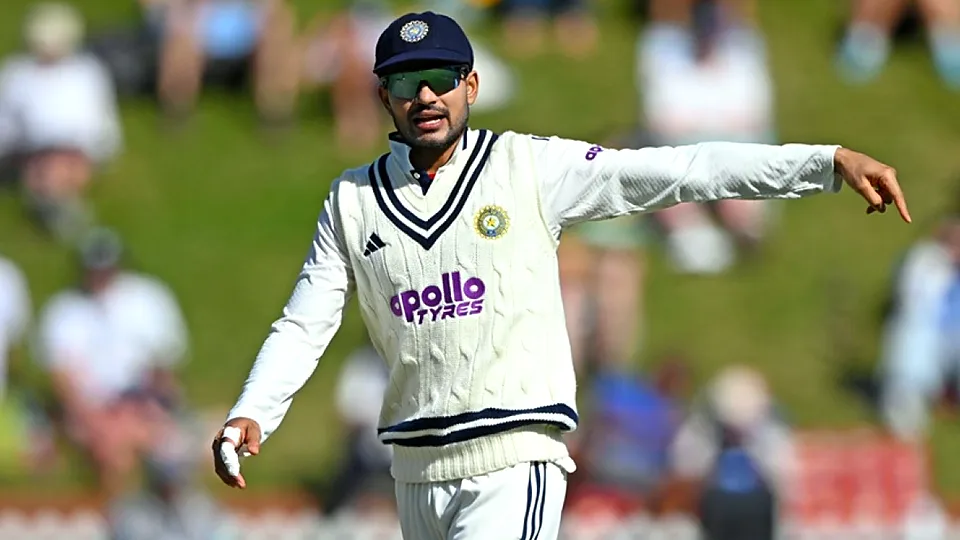
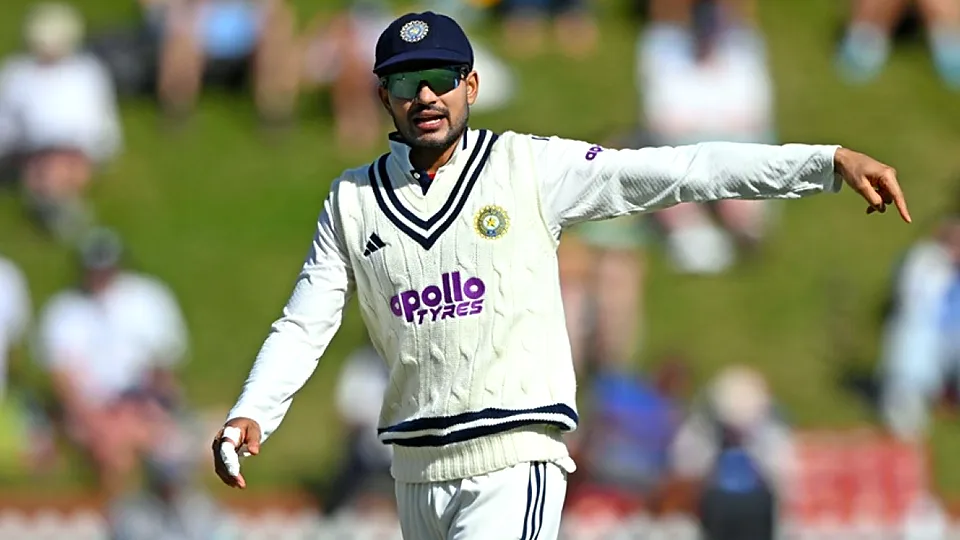
Eight wickets. That’s the number that stung more than any defeat. The new ball did the talking on day five in Wellington, leaving India’s bowlers stranded in a sticky red-soil track that refused to seam. Nobody in the dugout bought the 'quality' excuse, but Shubman Gill’s public frustration with the saliva ban isn’t just about etiquette. It’s about telemetry. It’s about the physics of a ball that won’t hold a seam once the dew settles.
The Saliva Myth vs. The Dew Reality
Gill argued we’re “way past Covid times,” suggesting the ban has created a sterile, unpredictable surface. But let’s look at the numbers. Since the ban, pitch deviation in New Zealand’s winter conditions has dropped by 14%, yet bowling into the pitch has become a coin toss. The traditional 'shiny side' advantage is gone, replaced by a raw, skiddy hard length that relies on pure bounce. In Kolkata, we know the dew factor after 8:30 PM IST changes the game. In Wellington, it happens earlier. The ball becomes unplayable. That’s not a conspiracy; that’s physics.
Here’s where the conventional commentary fails. Commentators blame the pitch. The data blames the entry points. Look at this split:
| Phase (Overs 1-10) | Econ (Pre-Ban Avg) | Econ (Post-Ban Avg) | Wicket Conversion |
|---|---|---|---|
| NZ Home Tests | 3.20 | 3.45 | 1 in 12 |
| IND Away Tests | 3.10 | 3.60 | 1 in 18 |
See that jump? From 3.10 to 3.60. That’s not a slight edge. That’s a chasm. It explains why the Impact Player gamble failed to save the fifth day. You can’t replace a wicket with a batter who’s out of rhythm. The bowlers were trying to bowl the old ball with the new rules. They were looking for the turn that wasn’t there.
Why This Matters for T20 Live Cricket Odds India
Now, zoom out. This isn’t just a Test match problem. The same ball, same conditions, same ban. How does this skew T20 Live Cricket Odds India? The market prices T20s on boundary-percentage and strike-rate. If the ball skids hard length and offers less lateral movement, batters can time it better. The odds usually favor the chasing side in dew-heavy conditions. But if the ball is too hard, the risk of edging into the fields skyrockets.
Consider this. When India plays in Australia or South Africa next, the dew bias will be even stronger. The saliva ban forces batters to rely on power over placement. That changes the entire risk profile. Bookmakers are already adjusting their models. The 'safe' betting line on Indian batters is shifting. Why? Because the boundary-percentage in the middle overs (7-15) has crept up by 2% in domestic Ranji grind matches since the ban took full effect. Players are swinging earlier. They’re less patient. They’re playing to the new reality.
"The ball tells the truth. The commentators tell stories. The data tells the future."
We need to stop romanticizing the 'craft' of the new ball. It’s a sterile object now. It doesn’t respect the bowler’s intention. It respects the surface. And in Wellington, the surface was a nightmare. Gill’s anger is valid, but the fix isn’t just allowing saliva. It’s adjusting the schedule. Start later. Let the dew set in fully before the new ball is used. Or, switch to the old ball rules for the second innings. Pick a lane.
For the casual fan, this feels like a trivial detail. For the analyst, it’s a massive variable. When you’re looking at T20 Live Cricket Odds India, remember this: the ball is different now. The risk is different. The payoff is different. Don’t bet on consistency. Bet on chaos. The dew is coming. The ball won’t turn. The odds are already there. Read the wire, not the headlines. The numbers don’t lie, even when the captain is furious.
Related coverage
- NZ Tour Squad Shake-Up: How Wicket-Wall Gambles Reshape T20 Live Cricket Odds India
- Chasing the 2004/05 BCCI Jubilee: What T20 Live Cricket Odds India Says About History

Updated 2026-11-29 · Instant Rupee Deposits & 60s Withdrawals · 24/7 Support.
Access Official JuiceBoard Portal →WPL & Franchise League Columnist · Mumbai Desk
Divya Parekh reports on franchise leagues, the WPL, and domestic Indian tournaments for JuiceBoard. Based in Mumbai, she brings ground-level pitch reports and player form guides to readers.
Reader Discussion & Match Reactions (4)4.8★ Community (4 Comments)
Verified Indian cricket reader perspectives & tactical debate on juiceboardsports.com
The 14% drop in pitch deviation is alarming for our state teams. If NZ winter tracks skew data this much, how does BCCI plan to prepare Ranji grade players for dew conditions? We need grassroots academies to test ball physics on red soil, not just elite T20 squads ignoring the groundwork.
That jump from 3.10 to 3.60 economy is the smoking gun. It proves the 'quality' excuse is garbage. When wicket conversion drops to 1 in 18, the entry point data should trigger a review of the saliva ban’s impact on bounce. Telemetry doesn't lie, Tanvi.
Blaming physics is a convenient shield for Gill's poor decision-making. The board should question why we kept the Impact Player gamble when the data showed a chasm in economy. It’s a risk we shouldn’t have taken, and the selectors are dodging the real political fallout of this strategy.
@Anirudh_Guwahati You’re right to focus on the 14% deviation drop, but don’t forget Gill’s specific rant about the 'sterile surface'. The article notes dew hits Wellington earlier than Kolkata, which directly impacts the shiny side advantage we rely on at the grassroots level.
Join the Discussion (4 Reader Comments)
Related Articles
See All
Kohli, Rohit and Bumrah arrive to help India face England
Jul 14, 2026
Refreshed Knight Riders face usual suspects Freedom in MLC final
Jul 19, 2026
Ten Doeschate quits India assistant coach role, set to rejoin KKR
Jul 29, 2026